
The Joint Electric Truck Scaling Initiative (JETSI) paired the deployment of 100 Class 8 battery-electric trucks in Southern California with workforce development, outreach, education, and knowledge sharing to help fleets and communities prepare for zero-emission freight.
The project brought together NFI Industries, Schneider, TRC, and public- and private-sector partners to demonstrate battery-electric trucks in demanding freight operations while identifying barriers to adoption. JETSI also supported workshops, community engagement, fleet electrification planning, and workforce development activities, while reducing diesel emissions from hundreds of daily truck trips.
A successful transition also depends on a workforce prepared to operate, maintain, and support these emerging technologies. To help address this need, TRC developed a comprehensive zero-emission vehicle workforce development plan to assess workforce readiness, identify training gaps, and strengthen partnerships that will support the long-term adoption of zero-emission freight. This effort included creating a workforce data collection framework and methodology to assess workforce needs and develop recommendations for ongoing workforce development.
TRC convened fleets, EVSE providers, OEMs, training providers, and project partners including key fleet partners NFI Industries and Schneider, and technology and charging partners including Volvo Trucks North America, Daimler Trucks North America, Power Electronics, and Electrify Commercial, to discuss training needs and gaps, workforce challenges, project progress, current and future workforce needs, training delivery options, performance metrics, and workforce data collection.
To better understand workforce readiness, TRC developed, digitized, and analyzed two workforce surveys: one for training participants and another for workforce training providers. The participant survey collected information on education, certifications, job tenure, training feedback, preparedness, and core competencies. The training provider survey gathered information on workforce size, certifications offered, workforce partnerships, employee capabilities after training, and performance metrics used to evaluate workforce success.
In addition, TRC established key performance indicators to measure workforce outcomes related to driver operations and truck maintenance while identifying workforce requirements across the entire EV charging infrastructure lifecycle, including planning, permitting, design, construction, installation, commissioning, operations, and maintenance. These findings informed workforce planning recommendations, future training priorities, and long-term strategies to support successful zero-emission vehicle adoption.
To enable a successful transition to battery-electric trucks, specialized training was provided for fleet managers, maintenance technicians, professional drivers, and other workforce interacting with the vehicles and charging infrastructure. More than 35 specialized training courses were delivered through both in-person and virtual formats covering topics including:
- Driver Operations
- Train-the-Trainer Programs
- EV & High-Voltage Safety
- Battery Safety & Maintenance
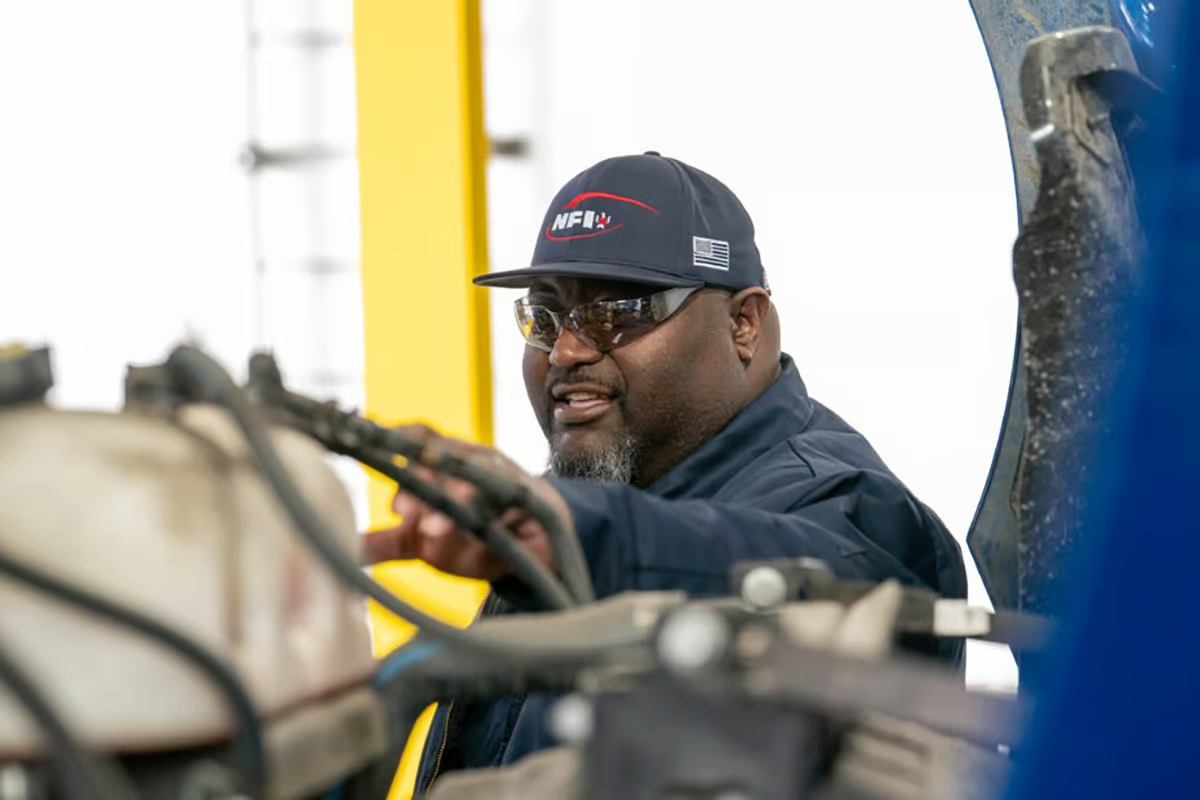
- EV Technical & Service Training
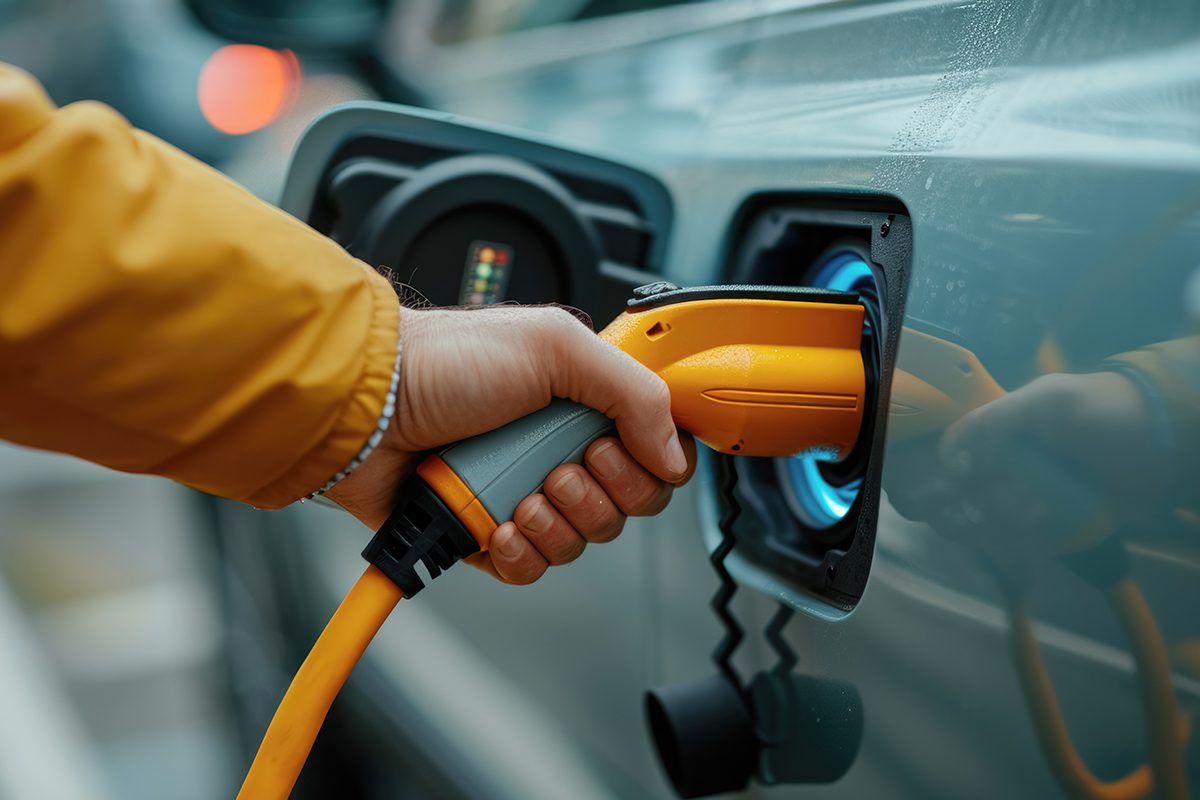
- Charger & Charging Management
- Fleet & Vehicle Orientation
- EVSE Operations & Maintenance
- Charging Infrastructure & Software
- Field Service
Participants earned certifications in areas such as high-voltage safety and battery maintenance, helping ensure the workforce possesses the knowledge and skills necessary to safely operate and maintain battery-electric trucks.
Workforce Findings & Lessons Learned
Survey results demonstrated promising gains in technology acceptance, workforce preparedness, and training effectiveness. Survey respondents represented a cross-section of the workforce involved in battery-electric truck deployment, including professional drivers, maintenance technicians, and supervisors.
Participants reflected a mix of newer and experienced workers, with ages ranging from 25 to more than 50 years old. The workforce was predominantly male and primarily identified as Hispanic/Latino or White. Most respondents reported a high school diploma as their highest level of education, although some had pursued additional postsecondary education. Respondents also represented a range of job tenures, with some employees having approximately two years of experience in their current positions and others remaining with their employers for significantly longer periods.
The workforce profile highlighted the importance of designing accessible workforce development programs that support employees with diverse levels of experience, education, and technical backgrounds. The range of participants including drivers, technicians, and supervisors provided valuable insight into how different job functions experience and adapt to emerging technologies.
Survey results indicated that training programs were effective in preparing participants for their roles and were well received across the workforce. Most respondents rated the quality of training, instructor delivery, and training length positively, suggesting that the overall training approach met participant expectations. Participants generally reported feeling prepared to perform their day-to-day responsibilities, including vehicle inspections, operations, and maintenance activities.
While overall training outcomes were positive, the results identified several opportunities for future improvement. Drivers generally reported higher confidence levels than maintenance personnel, indicating a need for additional technical training and support for maintenance-related roles. Participants expressed interest in refresher courses and more advanced training on battery systems, charging infrastructure, diagnostics, and maintenance practices.
Many participants also identified value in cross-functional training that provides a broader understanding of both vehicle and charging systems. This approach helps workers better troubleshoot issues and understand how vehicle technologies, software systems, and charging infrastructure interact within fleet operations.
One of the most significant findings from TRC’s analysis was the impact of hands-on experience on technology acceptance. Many participants initially expressed hesitation about transitioning from traditional diesel-powered trucks and adopting new software platforms and technologies. Drivers accustomed to conventional diesel trucks voiced concerns about changes to productivity, comfort, and vehicle operation, while others expressed uncertainty with automated technologies and new digital systems.
However, as workers gained direct experience operating and maintaining battery-electric trucks, confidence and acceptance increased. Participants reported becoming more comfortable with the technology after gaining hands-on experience with the vehicles. These findings demonstrate the importance of practical, hands-on training as a critical component of future zero-emission vehicle deployments.
Survey feedback also showed that hands-on instruction, combined with virtual and web-based learning, provided the most effective training approach. Participants consistently identified practical experience as a valuable component of training and expressed interest in continued learning opportunities as battery technologies, software systems, charging infrastructure, and operational practices continue to evolve.
TRC’s analysis highlighted the importance of continued workforce development. The project demonstrated that workforce preparation must be an ongoing effort rather than a one-time training activity. Continuous learning programs will be necessary to keep workers updated on evolving technologies, safety practices, and industry requirements.
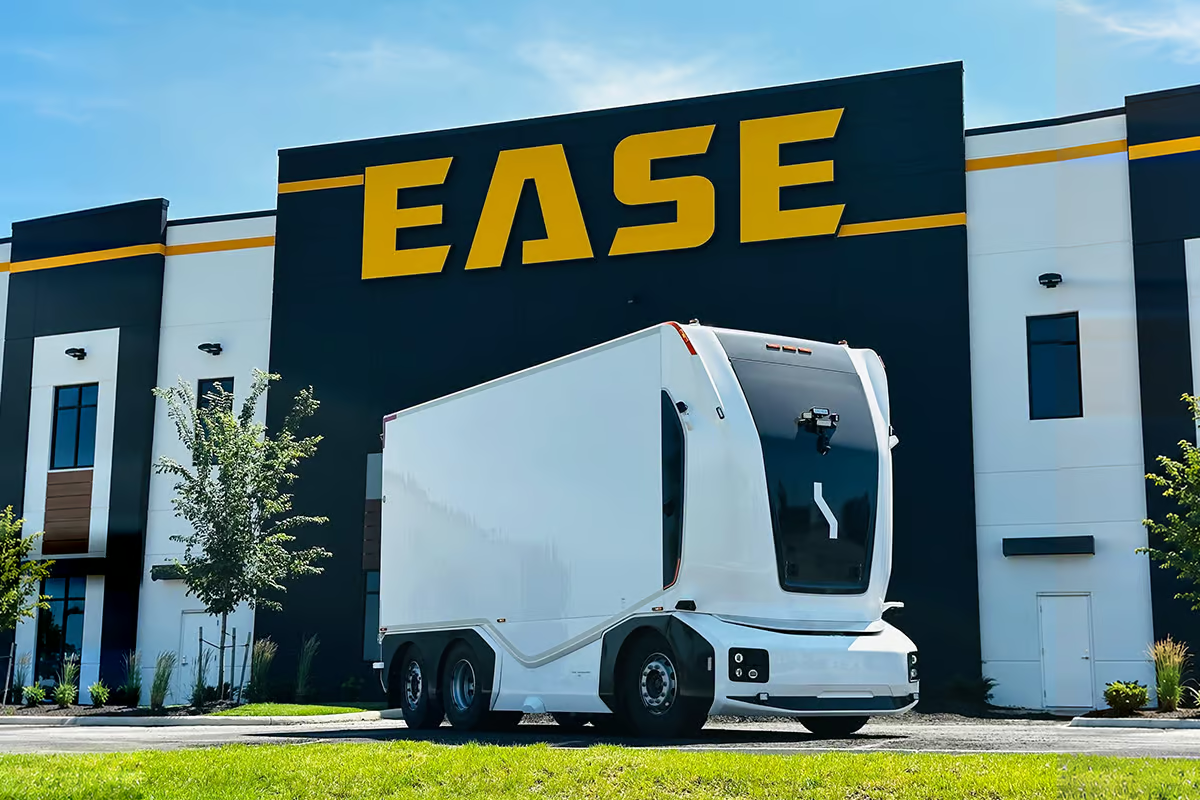
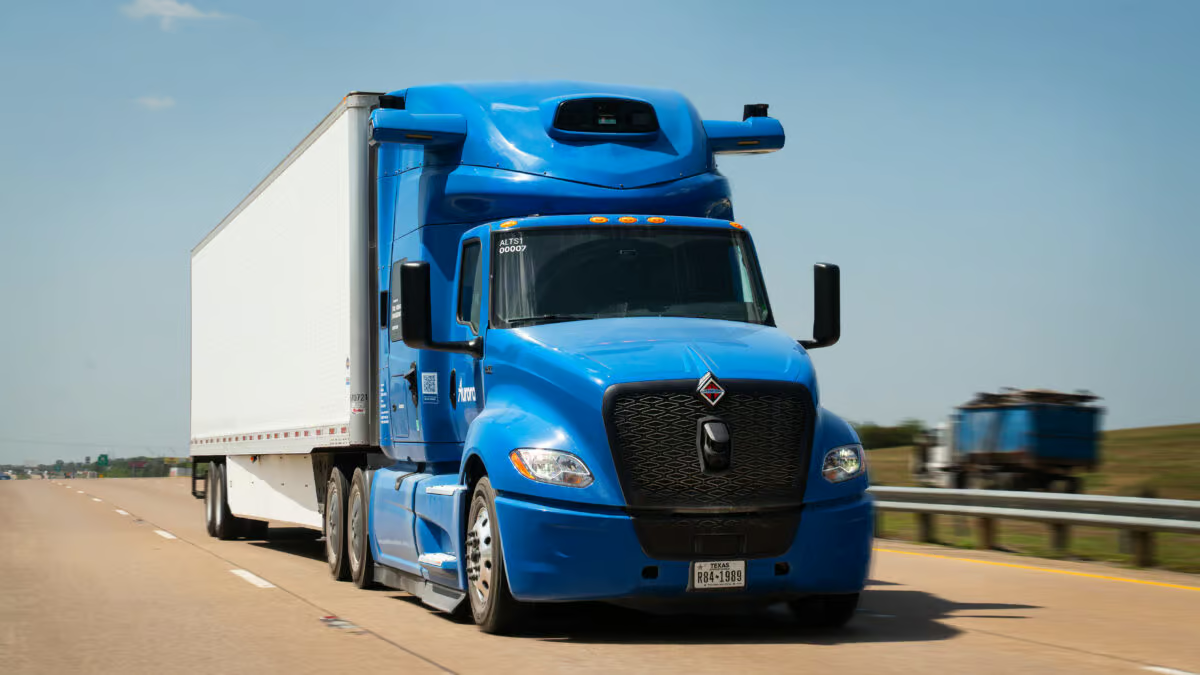
The project also identified strong long-term demand for skilled workers supporting zero-emission freight, including professional drivers, maintenance technicians, electricians, and charging infrastructure specialists. While automation continues to evolve, many automation pilots still require human operators, and qualified workers will remain essential to successful freight operations.
Additionally, continued expansion of charging infrastructure is expected to create demand for workers with specialized skills in charger installation, operations, maintenance, and high-powered charging systems. Preparing workers for these emerging roles will be critical to supporting the long-term success of fleet electrification.
Sharing Lessons Learned Across the Industry
A Battery-Electric Truck Fleet Toolkit was also developed to help California fleets build foundational knowledge of zero-emission vehicle deployment. Designed as an introductory resource, the toolkit provides practical guidance on regulatory requirements, fleet transition planning, vehicle procurement, funding and incentive opportunities, charging infrastructure deployment, and publicly available resources.
The toolkit also provides recommendations for establishing dedicated electrification teams and navigating common implementation challenges, helping fleets make informed decisions and better prepare for the transition to battery-electric truck operations.
The JETSI project demonstrates that successful fleet electrification extends beyond deploying new vehicles. It requires collaboration, workforce development, infrastructure planning, continuous learning, and knowledge sharing across the industry.
Through innovative partnerships and comprehensive workforce initiatives, JETSI is helping transform the freight industry while improving air quality, reducing greenhouse gas emissions, and preparing today’s workforce for the future of zero-emission goods movement.
To learn more about electric trucks, charging infrastructure, workforce development, environmental benefits, and project resources, visit www.jetsiproject.com.