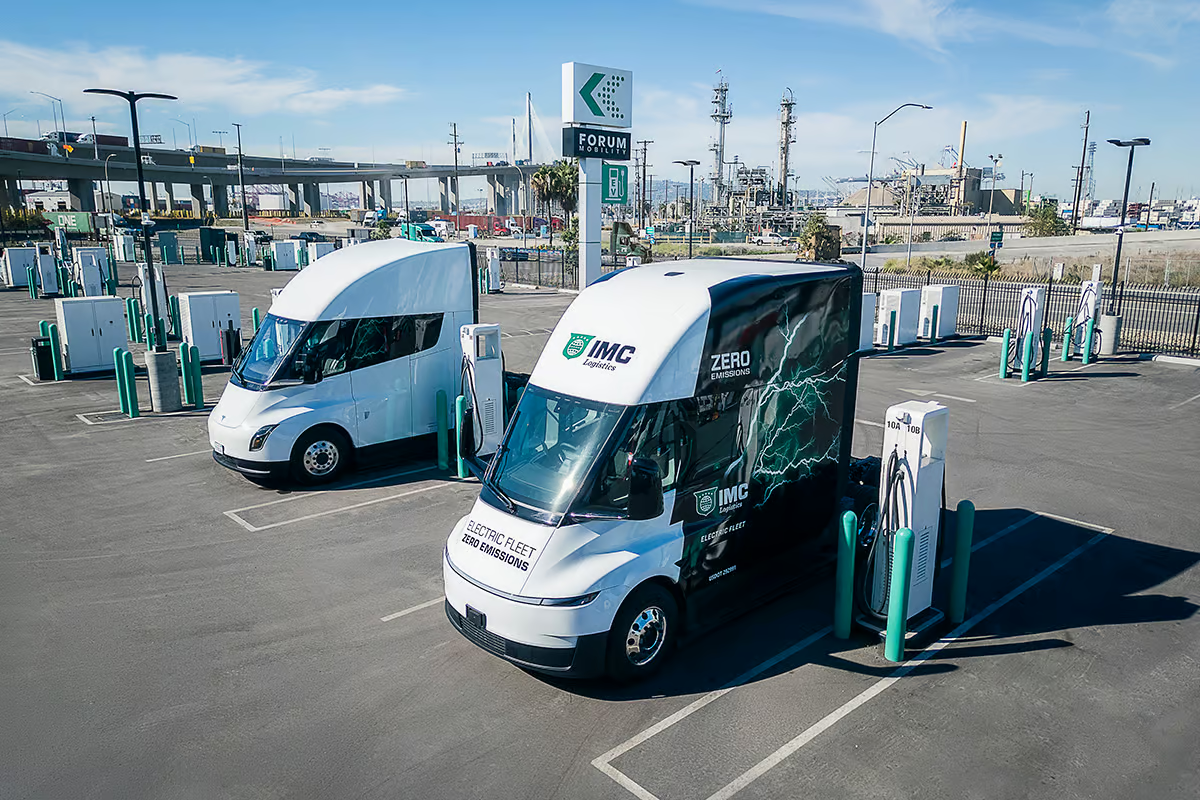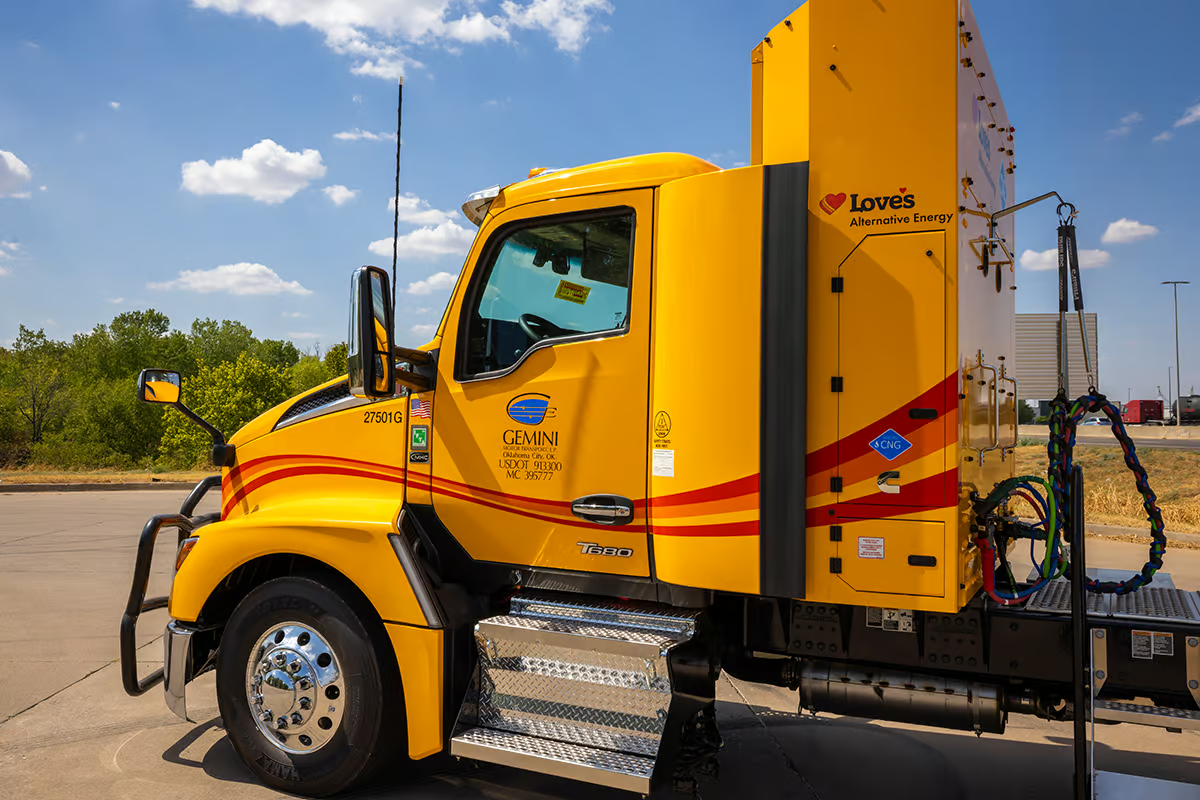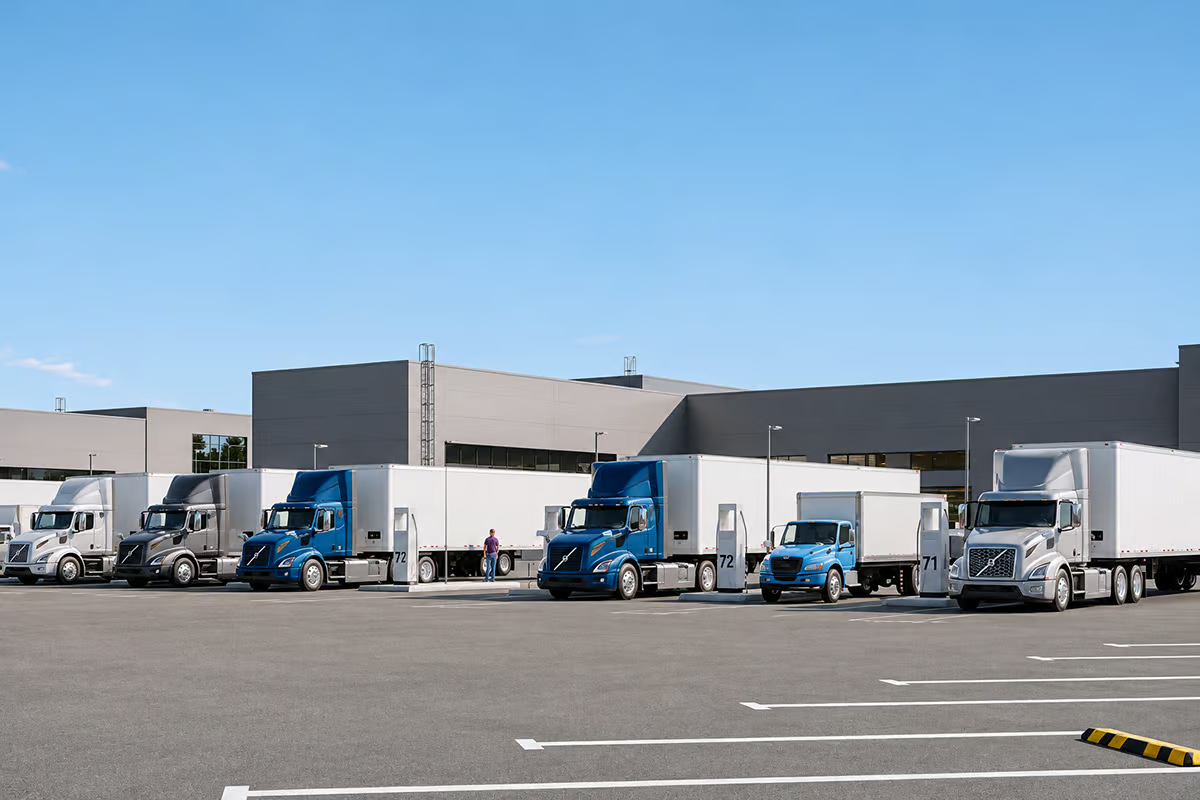
Terawatt Infrastructure is expanding its national charging network with four purpose-built commercial electric vehicle depots in South San Francisco, Nashville, Miami, and Dallas. Together, the facilities will provide approximately 22 MW of dedicated charging capacity, enough to support more than 3,000 vehicles per day, according to the company.
The expansion includes facilities already supporting fleet operations in California and Tennessee, with additional locations in Florida and Texas scheduled to begin operating before the end of 2026.
Terawatt develops and operates charging infrastructure for commercial electric and autonomous vehicle fleets, including heavy-duty logistics applications. The four locations are part of its broader effort to establish dedicated charging facilities in major U.S. metropolitan markets.
The largest of the new facilities is a 7 MW depot near Dallas/Fort Worth International Airport, which is scheduled to begin operations during the fourth quarter of 2026. A 6.6 MW facility near San Francisco International Airport is already supporting a fleet’s Bay Area operations.
In Nashville, a 4.5 MW depot near Nashville International Airport supports local fleet operations. The fourth site, a 3.5 MW facility in Miami’s Design District/Wynwood area, is expected to begin serving a commercial fleet operator during the fourth quarter.
Although the individual facilities vary in size, they share Terawatt’s approach to providing dedicated charging infrastructure for commercial fleet operators.
The company oversees the full development process, including site design, required approvals, construction, and utility interconnection. Terawatt also manages ongoing charging operations and maintenance through its proprietary Charge Management Software, energy management tools, and 24/7 operations and maintenance system.
For fleet operators, the model provides access to fully developed charging depots without requiring them to manage site construction themselves. Terawatt positions this approach as an alternative to powered-land arrangements that leave infrastructure development to the fleet operator.
The South San Francisco project offers an example of that development process. Terawatt completed the 6.6 MW facility ahead of schedule and reported six-figure cost savings through its site-energization methods and collaboration with Pacific Gas & Electric Company (PG&E).
Utility coordination is a central component of developing high-capacity fleet charging facilities. The South San Francisco project illustrates how the company’s involvement in the interconnection process extends beyond installing charging equipment.
Terawatt serves commercial electric and autonomous vehicle operators, with Waymo and Flexdrive by Lyft among its customers. Its infrastructure portfolio also includes facilities designed for heavy-duty logistics and commercial trucking applications. The company did not identify the specific fleets using the four newly announced depots.
Across its broader charging network, Terawatt reports having dispensed more than 30 million kilowatt-hours of electricity and delivered more than 93 million miles of driving range for commercial electric and autonomous vehicle fleets.
Those figures reflect the company’s existing operations rather than projected performance at the four new locations.
Terawatt did not disclose the number of individual charging stalls, charger power ratings, vehicle types assigned to each new depot, or charging prices.
With Miami and Dallas expected to become operational before the end of the year, Terawatt’s latest expansion adds charging capacity across four major U.S. markets. Additional facilities are planned for 2027 as the company continues developing its national network of commercial fleet charging depots.