B2U Storage Solutions and Waymo have announced a strategic supply agreement to repurpose batteries from Waymo’s electric autonomous vehicle fleet once the packs are retired from automotive use.
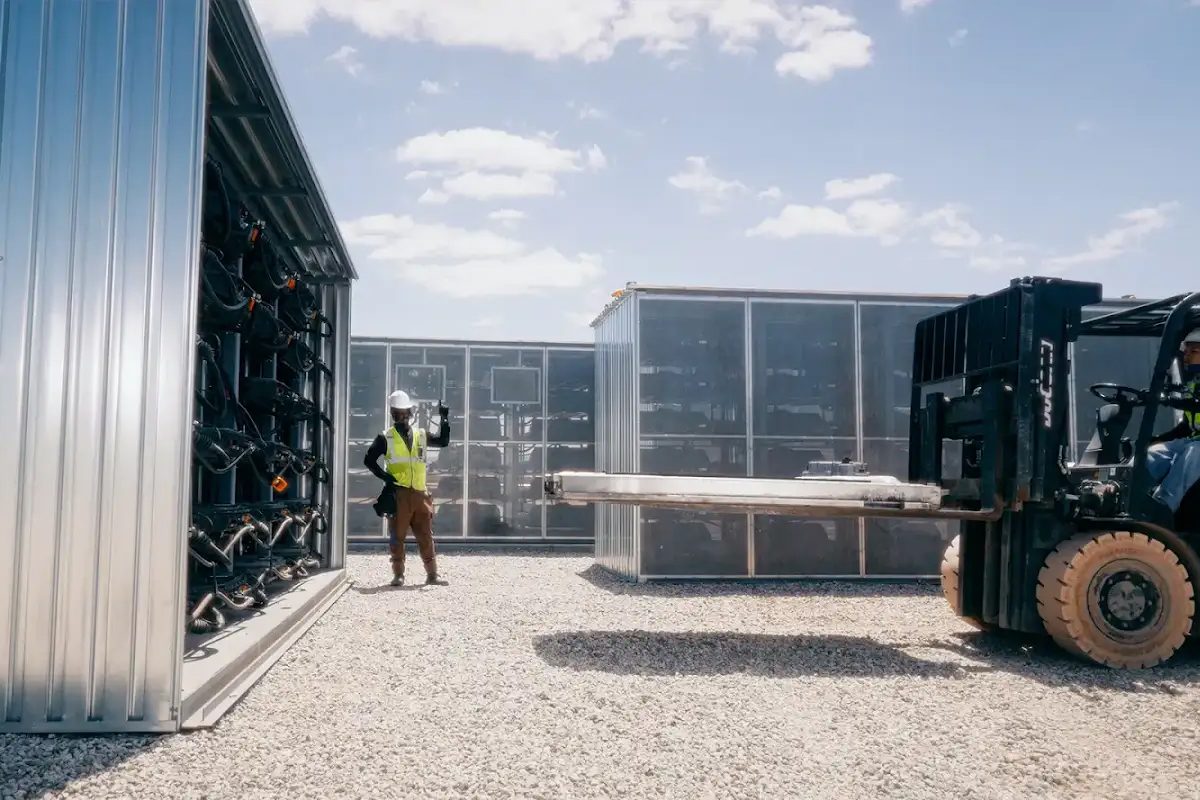
Under the partnership, B2U will install the used battery packs into grid-connected battery energy storage systems. The systems are expected to provide energy storage and grid services in electricity markets in California and Texas, supporting the same regional grids where Waymo’s autonomous fleet is already active.
For commercial transportation, the announcement highlights an important next step in the battery lifecycle conversation. As electric fleets scale, batteries will eventually move out of vehicle service. But that does not necessarily mean those packs have reached the end of their useful life. Stationary energy storage can provide a second use case for batteries that may no longer meet the performance requirements of a vehicle but can still provide value in a grid application.
B2U’s technology is designed to repurpose EV battery packs without requiring them to be fully dismantled. The company’s EV Pack Storage System manages batteries in series and parallel strings to support grid-connected energy storage operations. The approach is intended to reduce the cost and complexity of reusing EV packs while extending their economic and environmental value before eventual recycling.
“Through this partnership, we can repurpose our batteries for local grid storage and ensure our batteries continue to provide economic and environmental value to the community long after they’ve retired from the road,” said Adam Lenz, head of sustainability and environment at Waymo.
The partnership also connects two areas of rapid transportation and energy transition: autonomous electric fleets and distributed grid storage. Waymo operates an all-electric autonomous ride-hailing fleet, and high-utilization vehicles can accumulate mileage more quickly than personally owned vehicles. As those vehicles cycle through batteries over time, second-life applications could help create a more circular battery supply chain.
B2U said the agreement establishes a sustainable pipeline for used EV batteries while helping strengthen local power grids. Once installed in stationary storage systems, the repurposed batteries can store electricity and dispatch it when needed, providing services that support grid reliability and renewable energy integration.
For fleets, the announcement points to a broader business consideration around electrification: the value of battery assets does not end when a vehicle battery is retired from transportation duty. As more commercial fleets deploy battery-electric vehicles, second-life pathways could become part of the long-term economics of fleet electrification, helping support residual value, reduce waste, and improve lifecycle sustainability.
The partnership also comes as energy storage becomes increasingly important to transportation electrification. Charging infrastructure, fleet depots, autonomous vehicle operations, and the grid are becoming more interconnected. Stationary storage can help manage demand, support renewable energy use, and provide resiliency for regions with growing electric transportation loads.
While the announcement centers on Waymo’s autonomous fleet, the implications extend across the broader clean transportation sector. Commercial fleets, charging providers, infrastructure developers, OEMs, and battery companies are all working through how to manage batteries over their full lifecycle. Second-life applications offer one potential pathway to extend battery value while reducing pressure on recycling and raw material supply chains.
The B2U-Waymo partnership shows how electric fleet operators can think beyond the first life of the vehicle. For autonomous and commercial fleets alike, batteries are not just a propulsion asset. They can also become part of the energy infrastructure needed to support cleaner, more resilient transportation systems.