
The North American Council for Freight Efficiency (NACFE) has released a new report examining how trucking fleets can reduce idle time and associated fuel consumption. The report, The Idle-Reduction Playbook: Operational Strategies for Modern Trucking Fleets, marks the second update to NACFE’s original idle reduction Confidence Report published in 2014.
Fuel accounts for a significant share of fleet operating expenses, and a portion of that fuel is consumed while trucks are not moving. According to NACFE, a typical Class 8 truck idles approximately six to eight hours per day at an average rate of about 0.8 gallons of diesel per hour. That equates to roughly 1,000 to 1,800 gallons of diesel burned annually per vehicle while idling, depending on climate, duty cycle, and usage patterns.
The report focuses on the challenge fleet operators face in reducing idle time without compromising driver comfort, safety, or operational efficiency. It examines why trucks idle and provides an overview of several idle-reduction technologies, including diesel auxiliary power units (APUs), electric APUs, fuel-operated heaters, fuel-operated coolant heaters, intelligent engine management systems, thermal management systems, and vehicle controls and driver behavior strategies.
NACFE explains how each technology works and outlines both the benefits and the challenges associated with deploying them. Dean Bushey, NACFE’s director of programs and lead author of the report, emphasized the importance of a comprehensive strategy.
“Fleets should take a holistic approach to deploying idle reduction strategies. The most effective programs usually combine operational policies, driver engagement, and technology,” Bushey said.
In addition to technology options, the report outlines best practices for managing idle time. Baseline best practices include establishing an idle-reduction policy, using engine parameters aggressively, training and incentivizing drivers, providing alternatives for driver comfort during downtime, and monitoring and reporting idle percentages.
For fleets seeking more advanced approaches, NACFE recommends investing in appropriate idle-reduction equipment, combining complementary idle-reduction technologies, maintaining all idle-reduction devices, and continuously monitoring idle-reduction efforts and adjusting strategies as needed.
The report concludes that fleets have access to a wide range of solutions and should use combinations that address heating, cooling, and power needs. NACFE notes that economic paybacks are generally favorable, particularly as fuel prices rise and carbon-related costs such as emissions surcharges, low-emission zone fees, or regulatory penalties become more common. Driver comfort and training are identified as critical factors, with fleet success depending on driver buy-in. The report also points to continued innovation, likely tied to broader electrification trends, as a factor that will make idle reduction easier and more effective in the future.
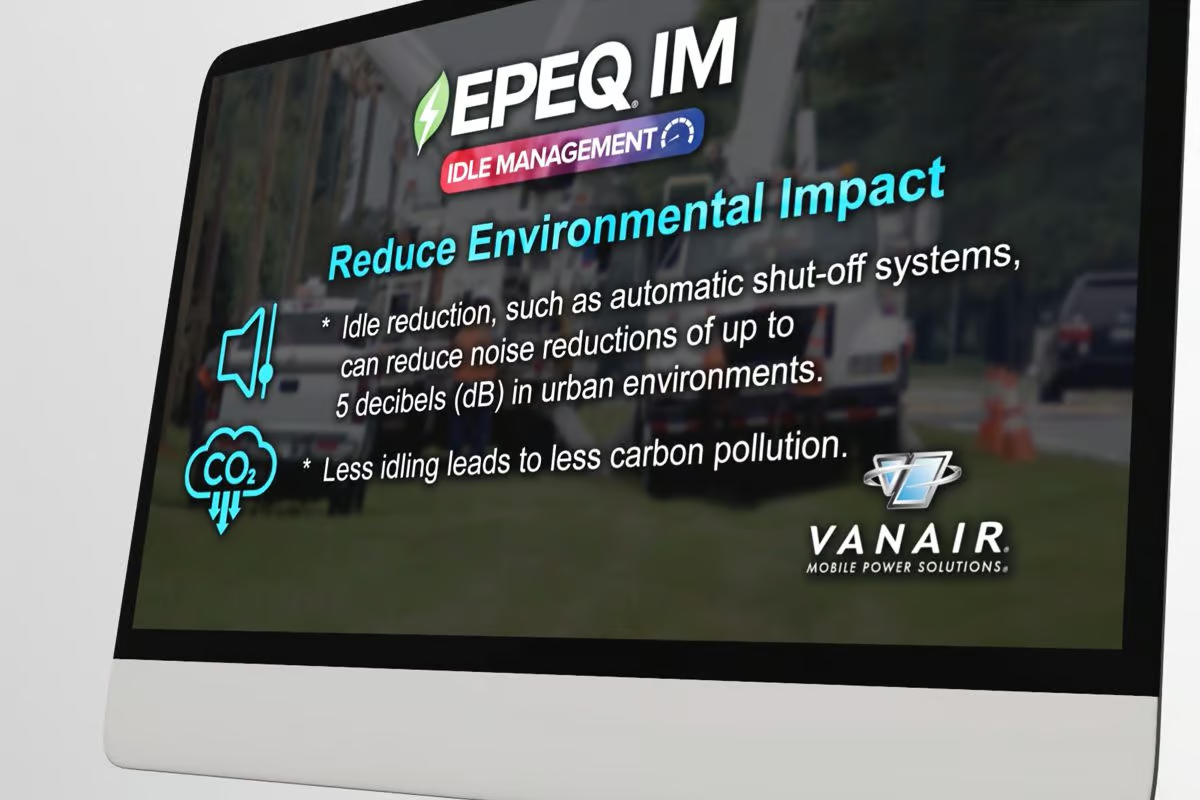
According to NACFE, eliminating unnecessary idling can lower operating costs, extend equipment life, and reduce a fleet’s environmental impact. Fleets that adopt idle-reduction technologies and best practices are positioned to realize immediate benefits while supporting long-term sustainability in freight transportation.