Electric medium- and heavy-duty vehicles are moving from “pilot projects” to real-world deployments at scale—often faster than the systems that support them. Fleets are making high-stakes decisions about vehicles, charging, routes, maintenance, and timelines while navigating shifting incentive and policy landscapes, evolving utility processes, and rapidly expanding technology options. At the same time, state agencies and utilities are working to plan proactively for new electric load, prioritize infrastructure investments, and design programs that remove barriers. In this environment, fleet–government communication isn’t a nice-to-have – it’s essential to ensure electrification happens in a way that is practical for fleets and strategic for the state.
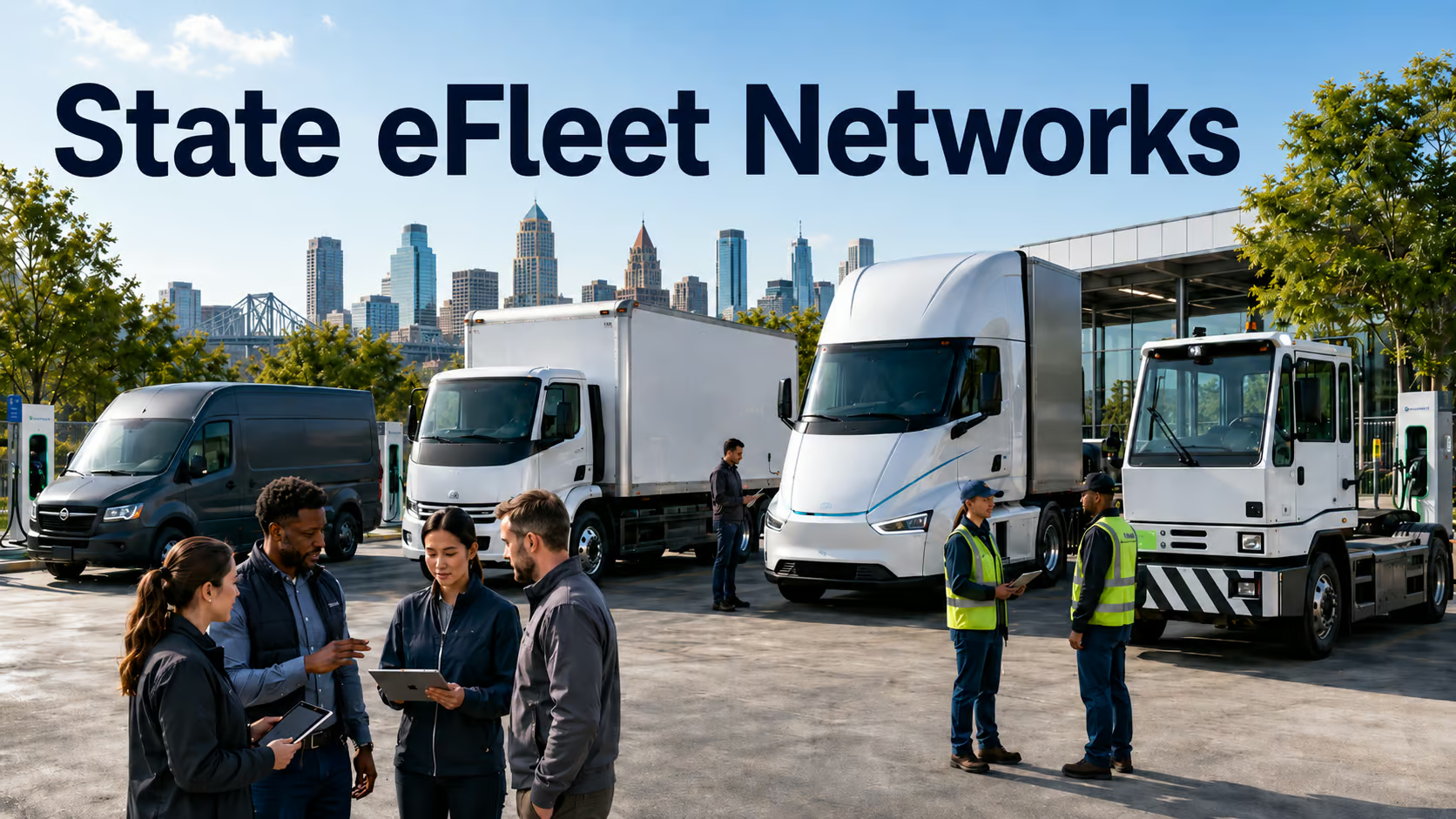
To strengthen that two-way communication, the State Energy Offices in Michigan and Oregon, in partnership with the National Association of State Energy Officials (NASEO), are each creating a new Electric Fleet (eFleet) Network – one for Michigan and one for Oregon – focused on bringing together commercial fleets that are early adopters of electric vehicles, as well as those that are actively exploring electrification. The groups will prioritize fleets and duty cycles that are a strong fit for electrification today, such as last-mile delivery, service and work vehicles, and local/regional haul operations, though they are open to fleets of all types interested in electric medium- and heavy-duty vehicles. Businesses that may not consider themselves “fleets,” per se, but are actively operating vehicle assets that may be well-positioned to electrify (for example, florists with delivery vans or solar companies with work vans) are also encouraged to participate. Municipal fleet managers are also welcome, given their expertise and many local governments’ transportation electrification goals.
Why these groups – and why now
Fleets have the most direct insight into what is working and what is not: vehicle performance and uptime, charging operational realities, interconnection timelines, driver and technician training needs, site constraints, and total cost of ownership. Those details matter because they shape whether programs and planning efforts actually help fleets move forward or unintentionally add friction. By convening eFleet Networks, Michigan and Oregon aim to create a consistent, trusted forum where fleets can share real-world experience and help state leaders design more effective incentives, guidance, and infrastructure planning. In return, fleets will gain access to timely information, peer insights, and emerging opportunities that can be immediately applied to their fleet operations and electrification planning.
This approach also supports better coordination across the ecosystem. When fleets share electrification plans early, even at a high level, it helps utilities and state partners anticipate charging needs, avoid delays, and prioritize investments that unlock near-term deployments. The eFleet Networks are designed to keep everyone aligned: fleets, state agencies, utilities, and other key partners – so that planning is grounded in actual fleet timelines, constraints, and opportunities.
What fleets get out of participating
Participation is designed to provide clear, practical value for fleet operators. Members of the Michigan and Oregon eFleet Networks will have a direct line to:
- Early, streamlined awareness of incentives and assistance: Hear about relevant state and utility programs, funding opportunities, and technical assistance as they become available – plus help states improve how those offerings are structured and communicated.
- Real-world charging and utility coordination insights: Compare notes with peers on depot charging strategies, interconnection timelines, make-ready considerations, and practical steps that reduce project risk.
- Problem-solving with other fleet decision-makers: Learn from other operators tackling similar questions on duty-cycle fit, vehicle availability, maintenance and training, and operational change management. A rising tide lifts all boats.
- A seat at the table in state planning: Provide input that will directly inform state policies, programs, and planning so that barriers can be addressed sooner and investments can be better targeted.
- A trusted peer network: Build relationships with other fleets and partners navigating electrification – creating a “brain trust” you can tap for lessons learned and best practices.
Just as importantly, these groups are built for two-way communication. Fleets won’t just be asked for feedback; they’ll also receive curated resources and best practices from trusted sources (including national labs and other technical partners), and they’ll be connected to the right state and utility contacts to keep projects moving.
How the eFleet Networks will work
Approximately twenty fleets will be selected to join each state’s eFleet Network. Each eFleet Network will then launch with an in-person kickoff workshop this fall, followed by regular virtual meetings.
Apply to join an eFleet Network
Fleet operators interested in participating are invited to apply using the brief forms below:
- Application for the Michigan eFleet Network – due July 31, 2026
- Application for the Oregon eFleet Network – due July 15, 2026
The application should take no more than 5 minutes to complete. Selected fleets will be notified by mid-August. Please reach out to Jessie Lund with any questions.