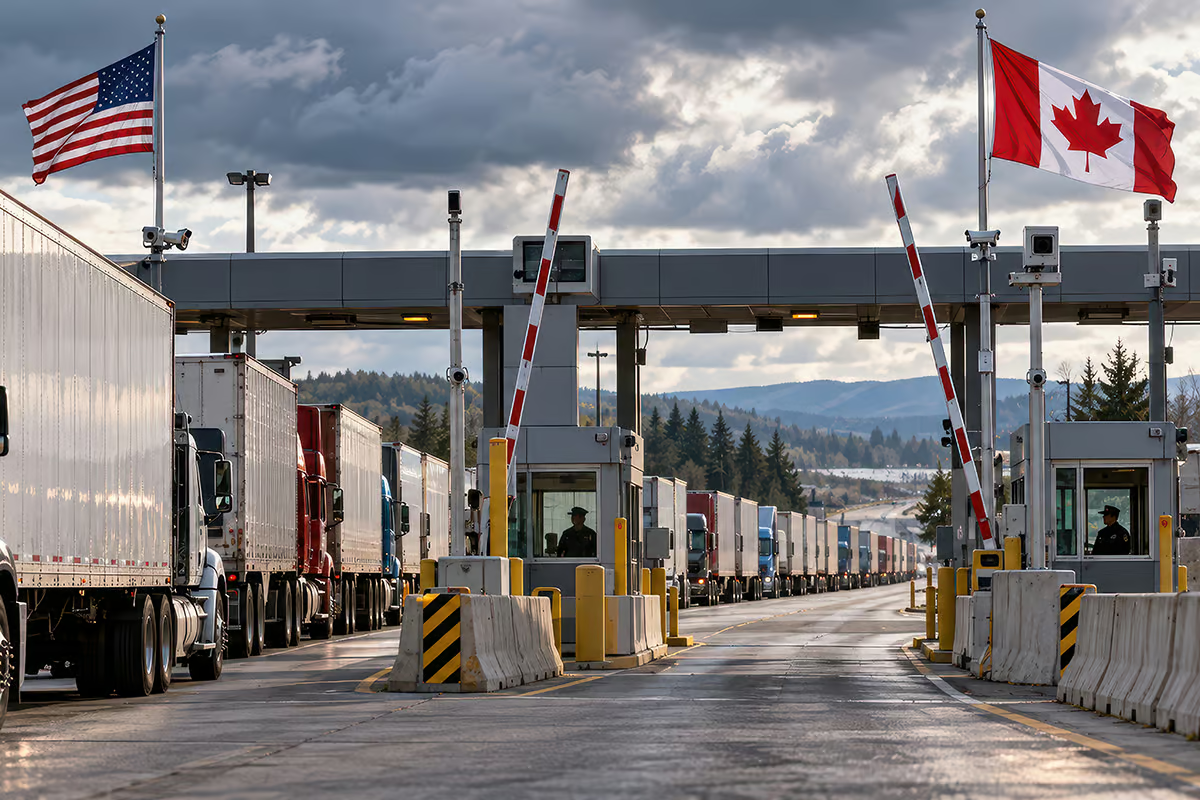
Canada has kept its model year 2027 heavy-duty engine requirements lined up with U.S. rules, using a temporary order that can stay in place for up to a year.
Environment Minister Julie Dabrusin signed the order on October 13. It was published in the Canada Gazette on October 31, and it changes how three Canadian vehicle emission regulations are to be read so they track what the U.S. EPA now requires.
Canadian law allows for this. When U.S. rules change and Canada’s fall out of step, the environment minister can issue an interim order that suspends or modifies the Canadian regulations until permanent amendments catch up. Alignment with the EPA is already written into Canada’s on-road emission regulations as one of their stated purposes.
For anyone buying or selling 2027 trucks in Canada, the detail that matters most is a date: December 20, 2026.
Under the order, a 2027 model year heavy-duty engine whose manufacture is completed before that date can be certified to either the older U.S. engine standards or the newer ones. An engine completed on or after December 20 must use the newer set. The same split applies to crankcase emission requirements and to the maintenance instructions and conformity records that travel with the engine.
The order also broadens what Canada accepts as proof of U.S. certification. Canadian regulations let a vehicle or engine covered by an EPA certificate meet the standards named in that certificate instead of separate Canadian standards. That recognition previously covered certificates issued under a single part of the U.S. code. The order extends it to two more, which is what lets trucks certified to current U.S. requirements come into Canada without a separate Canadian certification path.
Two additional requirements apply to 2027 and later heavy-duty engines. They must meet the U.S. standards for inducements tied to selective catalytic reduction systems, the warning and derate sequences that activate when diesel exhaust fluid runs low or the aftertreatment system faults. Their on-board diagnostic requirements now point to the newer U.S. standards as well.
Hydrogen gets its own provision. Heavy-duty engines fueled by neat hydrogen, meaning hydrogen that has not been mixed or diluted with another fuel, are deemed to meet the applicable carbon monoxide and hydrocarbon standards.
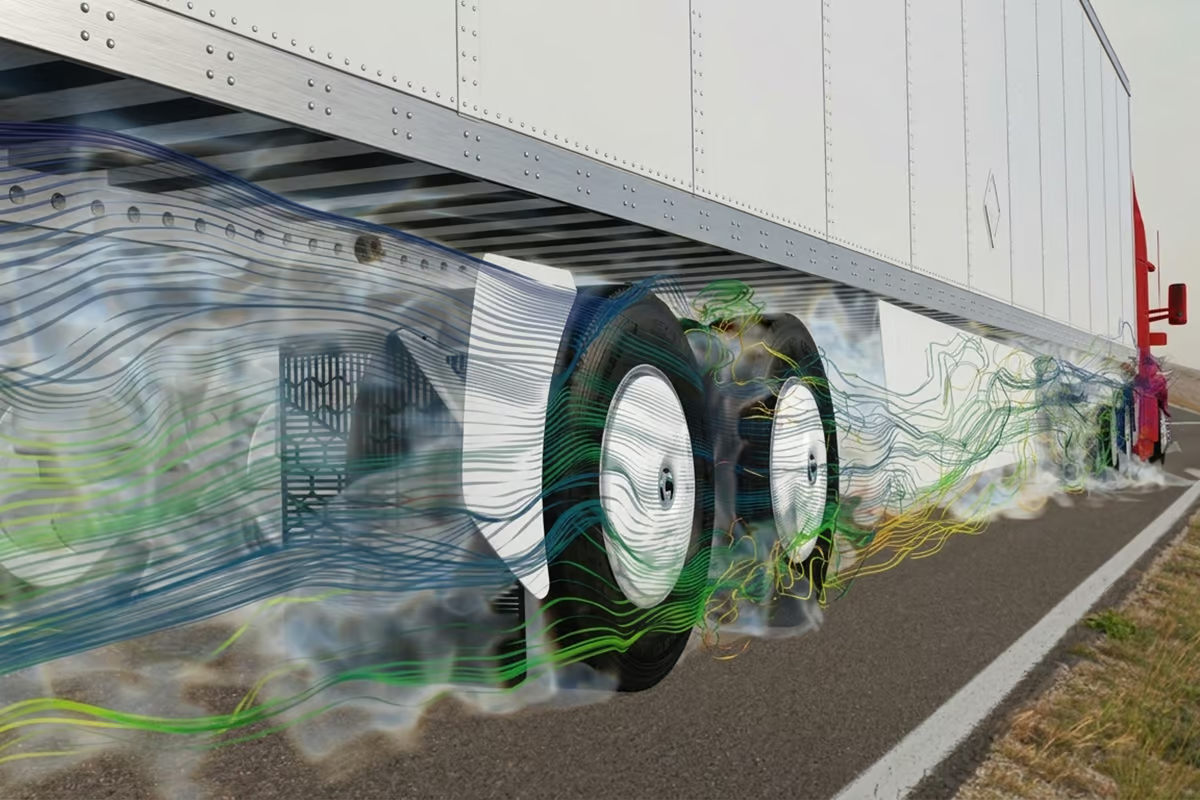
Trailer greenhouse gas standards stay on hold. The order again states that Canada’s heavy-duty greenhouse gas regulations do not apply to trailers whose manufacture is completed on or after January 1, 2020, continuing a suspension that has run for several years.
The order reaches medium-duty equipment through a weight threshold on the light-duty side, reading the 10,000 pound cutoff in two vehicle definitions as 14,000 pounds to match how the EPA classifies those vehicles.
How long any of this holds is set by statute rather than by the order itself. It took effect the day it was signed. It lapses after 14 days unless cabinet approves it, and once approved it runs until the regulations are amended to make the changes permanent, until it is repealed, or until one year after it was signed, whichever comes first. That puts the outside date at October 13, 2027.
Canada’s published on-road emission regulations do not yet carry any of these changes, so until they are amended, the order and the regulations have to be read side by side.