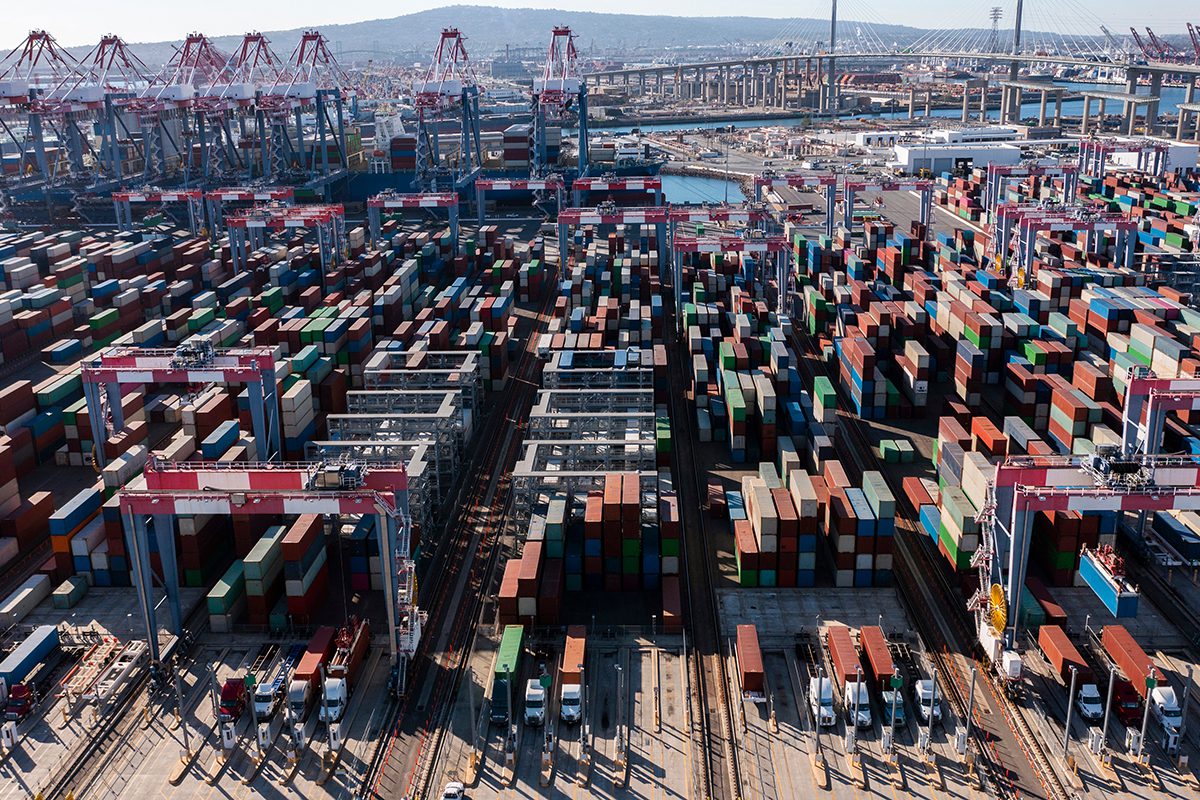
A new report from the Ports of Los Angeles and Long Beach confirms that zero-emission Class 8 drayage trucks are technologically capable of meeting current operational needs, but scaling up adoption will depend heavily on infrastructure, cost reductions, and continued incentive support.
The 2024 Zero-Emission Drayage Truck Feasibility Assessment, conducted under the San Pedro Bay Ports Clean Air Action Plan (CAAP), evaluates the readiness of battery-electric (BET) and hydrogen fuel cell electric trucks (FCET) to replace diesel in port operations. The findings come as California’s zero-emission transition faces uncertainty following the withdrawal of the state’s federal waiver for the Advanced Clean Fleets rule, though the ports reaffirm their commitment to achieving a zero-emission drayage fleet by 2035.
Technology Maturity Grows
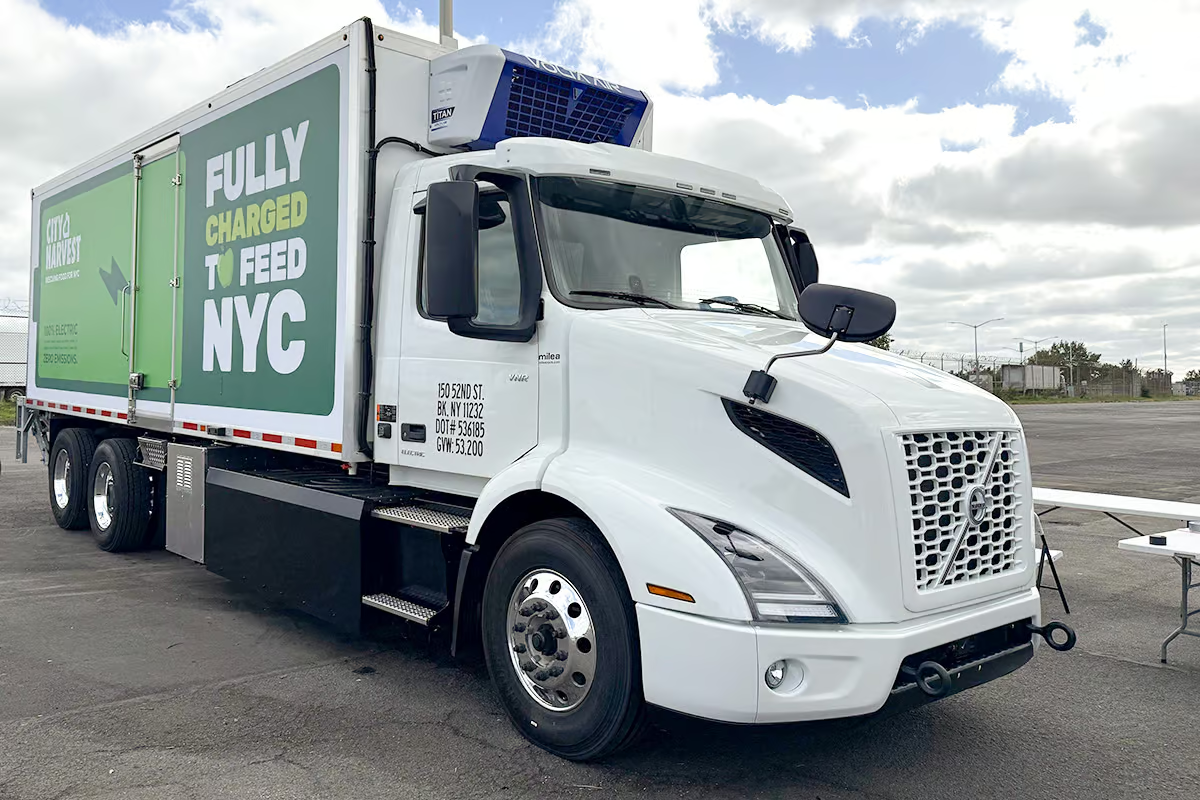
According to the assessment, seven Class 8 battery-electric truck models were commercially available by late 2024. Most are capable of 150–250 miles per charge, depending on configuration and battery capacity, with average battery sizes around 665 kWh.
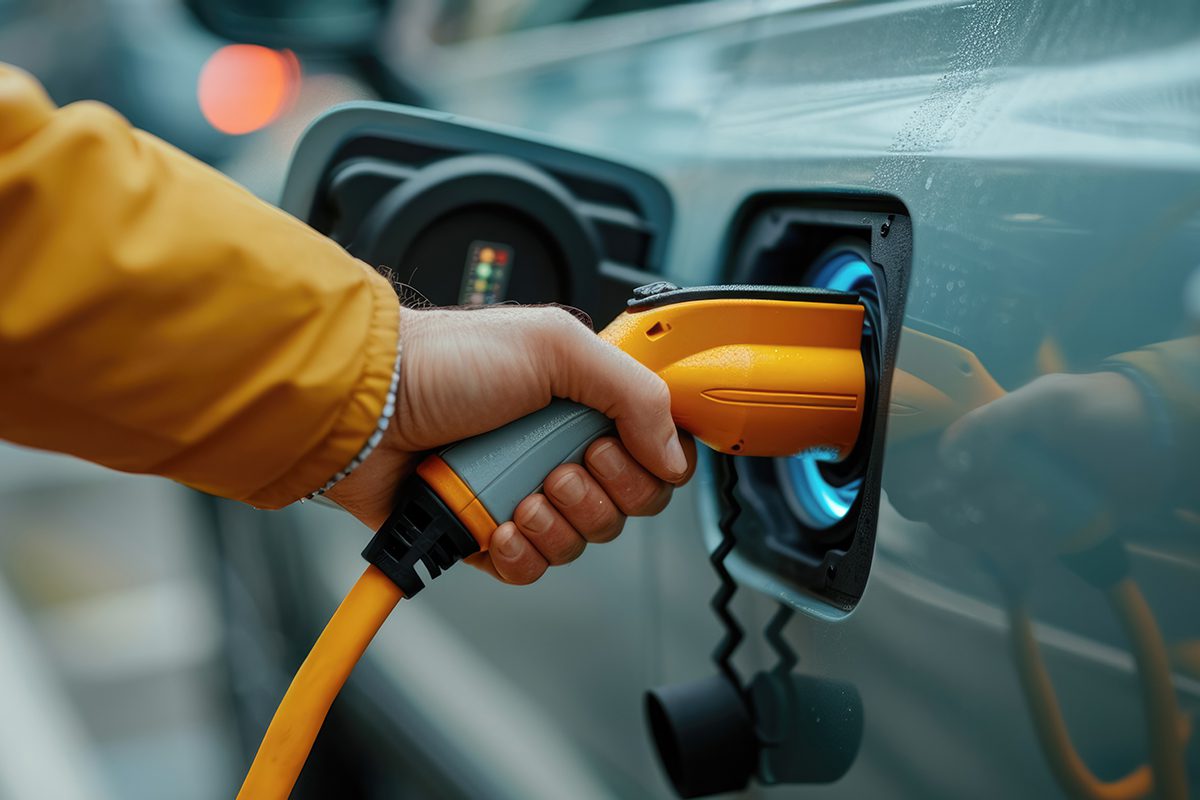
Charging performance is improving as well. The report notes that 250–350 kW chargers can fully recharge trucks in 1.5 to 3 hours, aligning with typical drayage duty cycles that involve single shifts and overnight dwell times. “Technical feasibility is no longer the question,” the report states. “The challenge now lies in making deployment financially and operationally practical at scale.”
Economic Barriers Remain the Primary Hurdle
Cost continues to be the most significant barrier. The average sticker price for a battery-electric Class 8 truck is roughly $420,000 — more than double that of a comparable diesel. For hydrogen fuel cell models, upfront costs can be even higher.
While incentive programs like the Hybrid and Zero-Emission Truck and Bus Voucher Incentive Project (HVIP) and federal clean vehicle tax credits have helped narrow the gap, funding availability and application complexity remain obstacles for smaller fleets. Many drayage operators are small businesses — 82% of companies operate 20 trucks or fewer — making them highly sensitive to financing delays and infrastructure costs.
Infrastructure Struggles to Keep Pace
Although the technology is advancing, the supporting infrastructure has yet to catch up. The study highlights ongoing challenges with charger installation timelines, power delivery, and hydrogen fueling reliability. During the reporting period, one of the two hydrogen stations serving the ports was offline for much of the year, underscoring the fragility of current fueling networks.
Fleet operators surveyed cited charger access, station uptime, and uncertainty over maintenance and repair coverage as key operational risks. The ports are now prioritizing partnerships with utilities and developers to expand both public and private charging capacity and streamline permitting processes.
Policy Alignment and Industry Collaboration Needed
Despite regulatory uncertainty, the ports are holding firm to their 2035 zero-emission drayage target. The report emphasizes that the pathway forward depends on coordination among fleets, OEMs, infrastructure providers, and government agencies. Recommendations include expanding regional charging and hydrogen corridor planning, accelerating incentive processing, and continuing large-scale pilot projects to refine performance data under real-world conditions.
“The market is no longer waiting for technology — it’s waiting for infrastructure and investment,” the report concludes, signaling cautious optimism that widespread deployment could be achievable within the decade if current progress continues.