
As hydrogen gains momentum as a low‑carbon energy carrier, proton exchange membrane (PEM) fuel cells are emerging as a critical technology for transportation and stationary power. But while hydrogen is often discussed in terms of production pathways and infrastructure scale, one factor consistently determines whether fuel cell systems perform as intended: hydrogen purity.
Unlike many industrial hydrogen applications, PEM fuel cells demand extremely tight impurity limits. Even trace contaminants—measured in parts per billion—can permanently damage catalysts, degrade membranes, and shorten system life. As a result, hydrogen quality is not just a laboratory concern. It is an engineering challenge that spans the entire hydrogen value chain, from production and storage to transfer and dispensing, while requiring reliable quality verification through hydrogen sampling.
Purity Standards Set the Bar but Doesn’t Tell the Whole Story
International standards such as ISO 14687 and SAE J2719 define the minimum hydrogen purity required for PEM fuel cell applications, including road vehicles. These standards specify a minimum hydrogen concentration of 99.97% and impose strict limits on a wide range of contaminants, including water, oxygen, nitrogen, hydrocarbons, ammonia, and some noble gases.
While hydrogen is typically supplied with a certificate of analysis (CoA), that documentation reflects conditions at the point of production—not necessarily the quality of hydrogen at the point of use. Compression, storage, transfer, and dispensing steps can all introduce contaminants or alter gas composition. For fuel cell applications, this gap between production certification and end‑use verification represents a significant risk.
Why Sampling at the Dispenser Matters
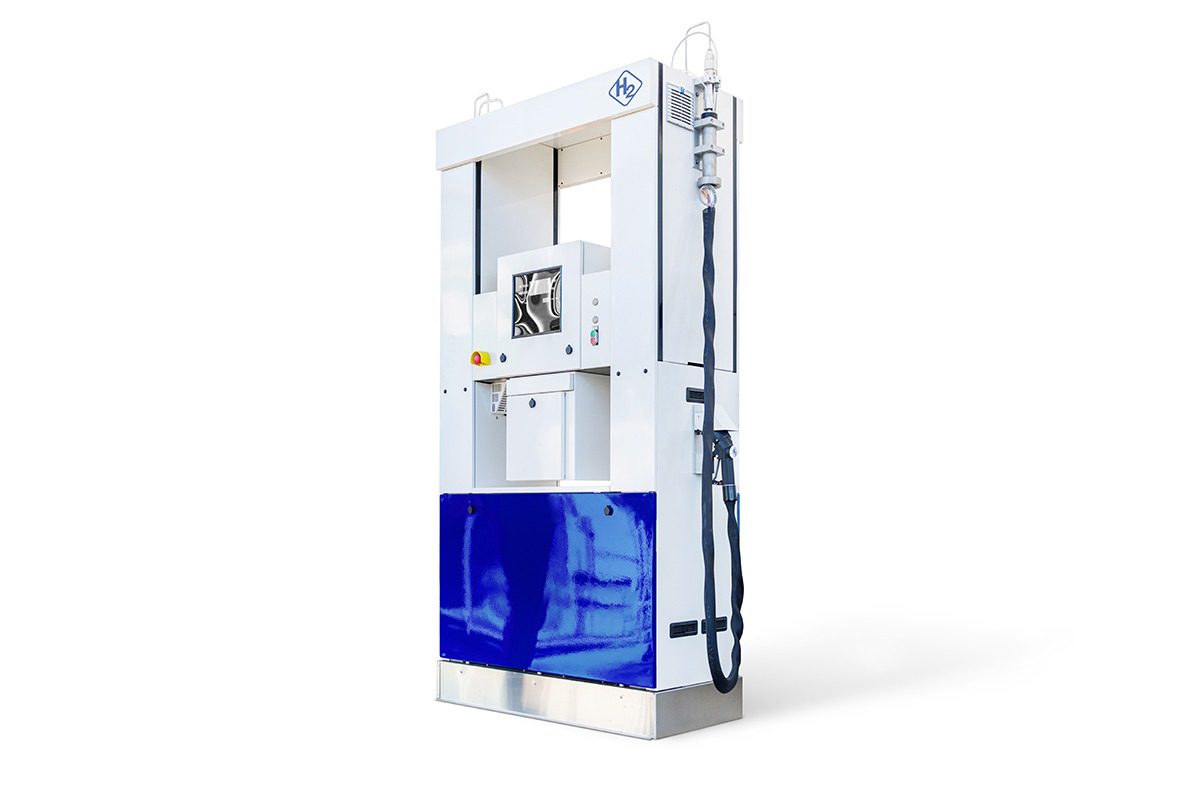
To manage this risk, hydrogen must be sampled and verified where it is actually dispensed. According to Sauhaib Filali, an application engineer at Swagelok Munich, hydrogen purity assurance requires more than periodic lab testing—it demands representative sampling systems designed specifically for hydrogen service.
Sampling hydrogen for fuel cell use presents unique challenges. Hydrogen molecules are small and highly diffusive, making systems vulnerable to leaks and contamination. Materials used in sampling systems must also resist hydrogen embrittlement and avoid adsorption of contaminants that could skew analytical results. In addition, purging procedures, venting, grounding, and electrostatic discharge control are essential for both accuracy and safety.
Engineering Challenges Go Beyond Measurement
Hydrogen sampling is not a single design problem but a collection of interrelated engineering challenges. Contamination can occur through material incompatibility, residual process gases, or back‑diffusion from compressors. Even improper handling of sample containers can compromise results.
To address these risks, sampling systems must be engineered with careful attention to component selection, system layout, purge volumes, and analytical compatibility. This is especially important as hydrogen infrastructure scales and refueling stations move from pilot projects to commercial operation.
Choosing the Right Sampling Approach
Different use cases call for different sampling strategies:
- Mobile sampling systems allow operators to verify hydrogen quality across multiple locations
- Stationary sampling systems are designed for permanent installation at production or dispensing sites
- Online sampling and continuous monitoring provide nonrealtime insight into hydrogen quality trends
- Some standards like ISO 19880-1 have analytical methods divided into online analyses and offline analyses
Each approach has tradeoffs related to cost, complexity, and data availability. What matters most is aligning the sampling strategy with the operational risk profile of the application—particularly when fuel cell durability and regulatory compliance are at stake.
A Foundation for Scalable Hydrogen Infrastructure
As hydrogen adoption accelerates, purity assurance will play a defining role in the reliability and public acceptance of fuel cell technologies. Failures caused by contamination do not just affect individual systems; they can undermine confidence in hydrogen as a whole.
Hydrogen purity is an engineering discipline, not an afterthought. By designing sampling systems that account for standards, materials, safety, and real‑world operating conditions, infrastructure developers and operators can help ensure that hydrogen delivered at the nozzle is truly fit for fuel cell use.
For an industry focused on scaling clean energy solutions, getting purity right is not optional—it is foundational. To learn more, read Sauhaib’s white paper “Ensuring Hydrogen Purity for Fuel Cell Applications.” If you have questions about hydrogen sampling, contact your local authorized Swagelok sales and service center for assistance.