CARB Takes Legal Action Against Truck OEMs in Clean Truck Dispute
Image: Adobe Stock
Key Takeaways
- CARB filed suit against Daimler, Volvo, PACCAR, and Navistar for allegedly breaching the Clean Truck Partnership agreement.
- The 2023 deal required manufacturers to meet California’s zero-emission truck standards regardless of federal legal challenges.
- CARB seeks court enforcement of the agreement or repayment for costs incurred carrying out its commitments.
- The case has national implications, as several other states follow California’s emissions standards and await clarity on manufacturers’ obligations.
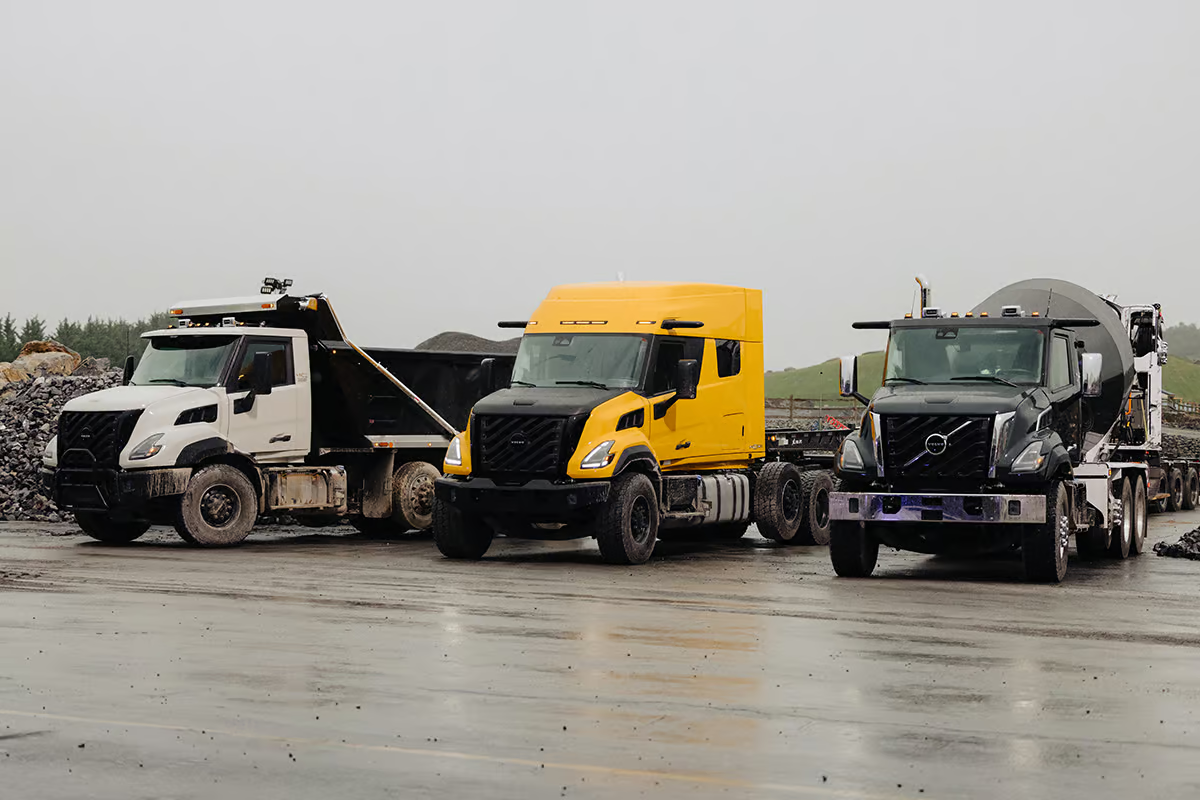
The California Air Resources Board (CARB) has filed a lawsuit against Daimler Truck North America, Volvo Group North America, PACCAR, and Navistar, alleging the manufacturers violated the terms of a 2023 Clean Truck Partnership agreement to sell cleaner vehicles in California. The case, filed October 27, in Alameda County Superior Court, seeks to compel the companies to uphold their commitments or compensate the state for the costs incurred in carrying out its side of the deal.
Signed by the manufacturers and CARB in July 2023, the Clean Truck Partnership was designed to align state and federal emissions standards while ensuring manufacturers continue advancing zero-emission vehicle technology. In the agreement, the manufacturers pledged to meet California’s Advanced Clean Trucks and Omnibus regulations regardless of federal legal outcomes, and to refrain from challenging California’s authority to set stricter emissions rules.
CARB, in turn, agreed to revise certain heavy-duty engine standards and provide manufacturers with regulatory flexibility and longer lead times to comply with emissions rules. According to the filing, CARB says it has already completed the rulemaking actions and workshops required under the agreement.
The lawsuit alleges the manufacturers have “unambiguously stated that they do not intend to comply” with their sales commitments for clean trucks and may soon breach the agreement entirely. CARB argues that monetary damages would not make the state whole, as the deal’s purpose was to achieve emissions reductions that cannot be measured strictly in financial terms. The agency is asking the court to compel the companies to perform their obligations or, failing that, to allow CARB to rescind the contract and recover its costs.
The manufacturers’ lawsuit, which seeks to void the Clean Truck Partnership, was filed this past August. The complaint alleges that California is attempting to require compliance with heavy-duty truck emissions standards that Congress recently preempted under the federal Clean Air Act.
A hearing on the truck makers’ request for a preliminary injunction is scheduled for October 31, with another court date set for November 21, when CARB will seek to dismiss the case. The outcome could shape the future of state and federal cooperation on emissions rules and determine whether the Clean Truck Partnership survives.
Q&A
What is the Clean Truck Partnership?
The Clean Truck Partnership, signed in mid-2023, was an agreement between the California Air Resources Board (CARB), the Truck and Engine Manufacturers Association, and major truck makers including Daimler Truck North America, Volvo Group North America, PACCAR, and Navistar. The deal aimed to align California and federal heavy-duty emissions standards while ensuring truck manufacturers continued developing and selling zero-emission vehicles (ZEVs) in California.
Why is CARB suing the manufacturers?
CARB’s complaint alleges the companies have stated they no longer intend to comply with their commitments under the Clean Truck Partnership—specifically the agreement to meet California’s clean truck sales targets regardless of federal legal challenges. The agency argues this constitutes a breach of contract and seeks a court order compelling the manufacturers to fulfill their obligations.
What does CARB want the court to do?
CARB is asking for specific performance, meaning it wants the court to require the truck makers to carry out the clean truck sales and compliance actions outlined in the agreement. If the court denies that request, CARB is seeking to rescind the contract and recover the money and resources it invested in rulemaking, public workshops, and other commitments tied to the partnership.
How have the truck manufacturers responded?
The manufacturers have filed their own legal motion seeking to suspend the agreement. They are requesting a preliminary injunction to halt enforcement of the Clean Truck Partnership, arguing that the deal is no longer valid. Their case will be heard before the Alameda County Superior Court, with hearings set for October 31 and November 21.
Why is this case significant for the trucking industry?
The outcome could shape how emissions regulations are implemented nationwide. More than a dozen states have adopted California’s truck emissions standards. If the court sides with the manufacturers, it could weaken the momentum toward zero-emission freight vehicles. If CARB prevails, it could strengthen California’s authority to set and enforce advanced clean truck regulations across the U.S.