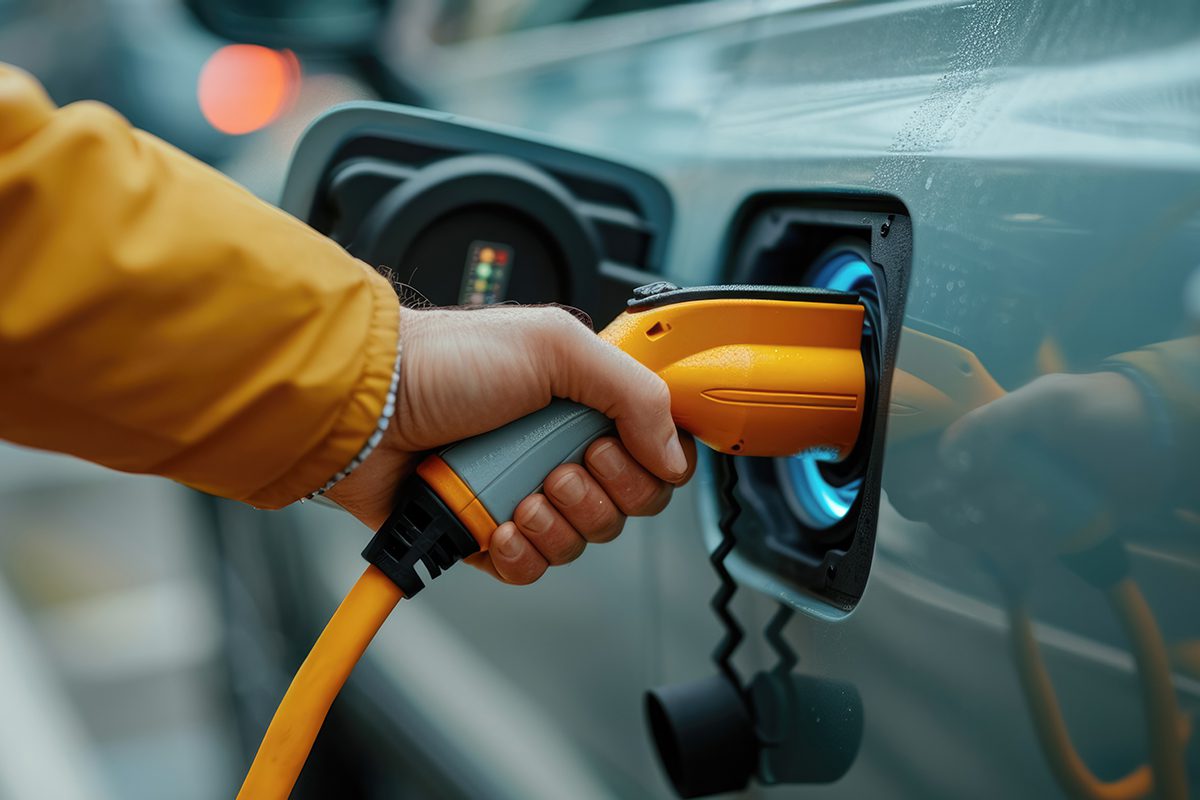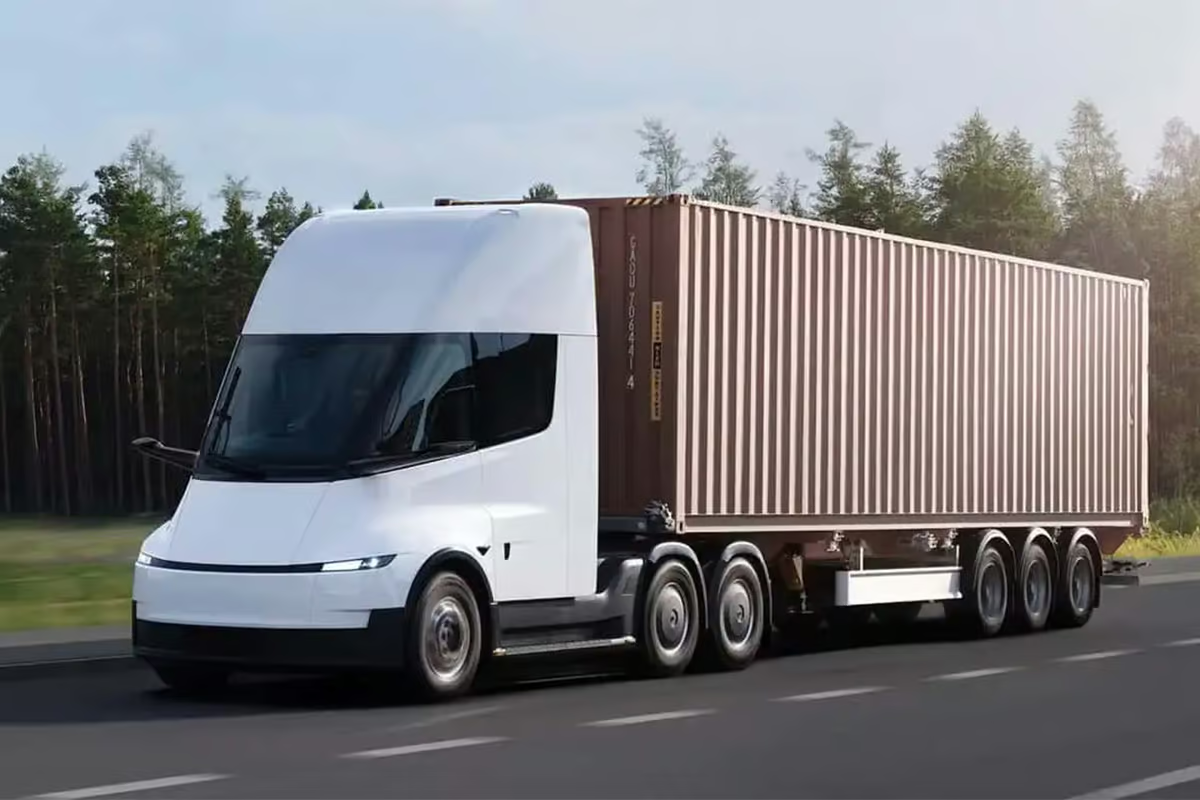

Electric vehicles win when technology and economics align. An electric drivetrain converts 85% of energy into motion. It has roughly one-third of the parts of a combustion engine and a fraction of the maintenance cost. The result: lower lifetime cost per mile driven. That logic is why EVs are winning.
The same logic now has to apply to the infrastructure that charges them. And on that front, the industry still has significant work ahead.
A Familiar Bottleneck
As charging networks have scaled, a structural problem has become harder to ignore. Too many sites are built as one-off projects, different hardware, different software, different operating procedures. Each decision can feel reasonable in isolation. Across a network, the variation compounds. Different spare parts. Different service training. Different integration work. Every time a new use case appears.
The result is infrastructure that gets harder to run as it grows, not easier. Energy is lost quietly. Downtime costs accumulate. Capital gets stranded when a site needs to expand, but the original design can’t accommodate it without significant rework.
This is the bottleneck the industry faces in its next phase. The first phase rewarded deployment speed, getting sites live, building coverage, and moving fast. That logic made sense when the goal was presence. The next phase demands something more durable: infrastructure that performs reliably over a decade, at the lowest possible cost per kilowatt-hour delivered.
Those are different problems. They require a different frame.
A Pattern Worth Learning From
This transition has a precedent, seen across technology-intensive industries over the past several decades, and it has followed the same logic every time. The answer was never more variety. It was a reference architecture with modular configurations that could serve different use cases without rebuilding the system underneath. Not uniformity imposed where flexibility is needed, but a standardized base that makes flexibility sustainable. The ecosystem scaled from there.
Charging infrastructure is approaching that same inflection point. The decisions the industry makes now, collectively, will determine whether the next decade of growth compounds or grinds.
The Metric That Organizes Everything
There is one number that cuts through most of the complexity in charging infrastructure decisions: cost per kilowatt-hour delivered, over the operating life of the site.
Not purchase price. Not peak power on a spec sheet. Not day-one deployment cost. Those are visible and easy to compare. They are also, in many cases, the least complete way to evaluate what a site will actually cost, and earn, during 10 years of real operation.
The sites that perform well over time tend to share certain characteristics: they were designed as systems rather than assembled as collections of chargers; their architecture accommodates growth without requiring the original investment to be written off; and the complexity of operating them doesn’t multiply every time the network expands.
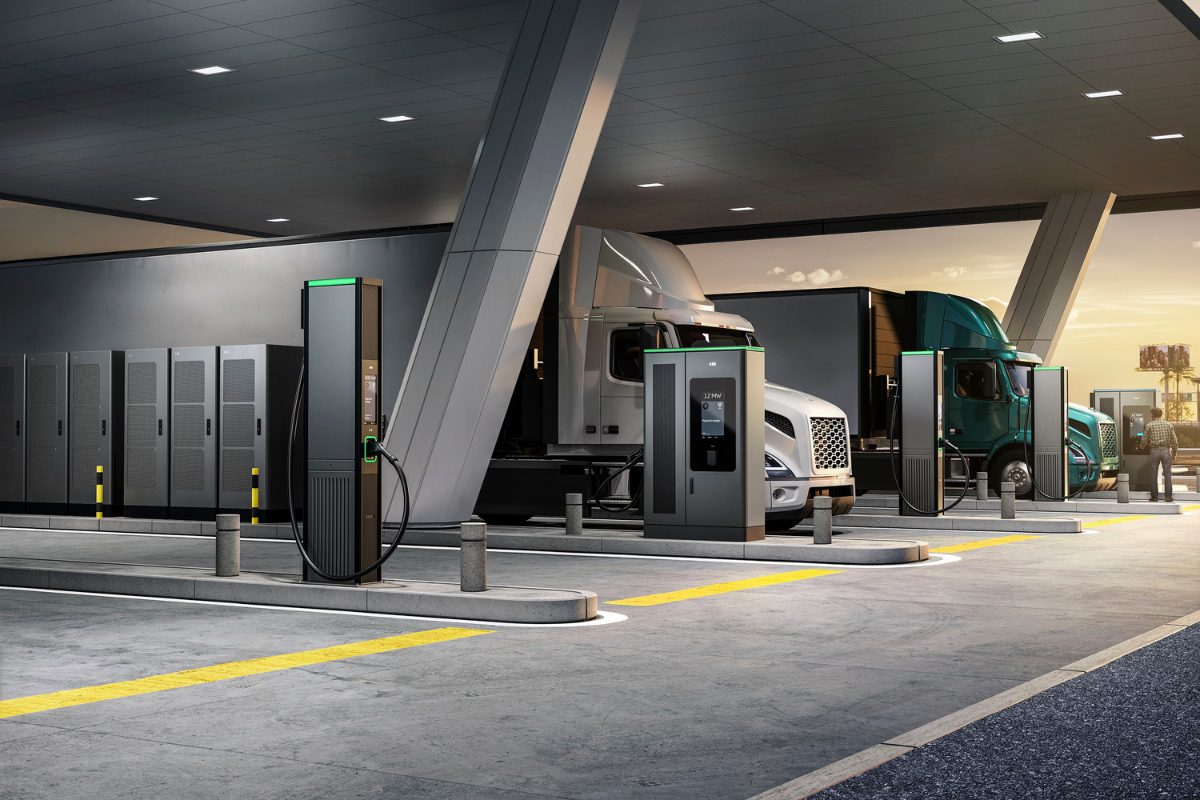
That is the frame. How an operator buys against it and how an infrastructure provider builds against it is the more interesting question. ABB E-mobility’s answer is a portfolio designed to build systematic charging from the ground up, starting with the ABB A-Series as the reference foundation and the OM M-Series as the system that extends it across the site.
It doesn’t stop there.
What’s Worth Seeing at ACT This Week
On Tuesday, May 5, at Booth 3601, ABB E-mobility CEO Michael Halbherr will set out his view of where the industry stands, what the next phase demands, and what infrastructure designed for that reality looks like in practice.
The argument draws on what other industries learned when they faced the same transition charging is now approaching and arrives at a concrete position on what systematic charging infrastructure requires, and what it makes possible.
It is a 30-minute session built around one question: what does it take to deliver the lowest cost per kilowatt-hour, over a lifetime, at the scale the industry is moving toward?
The answer is on the floor.