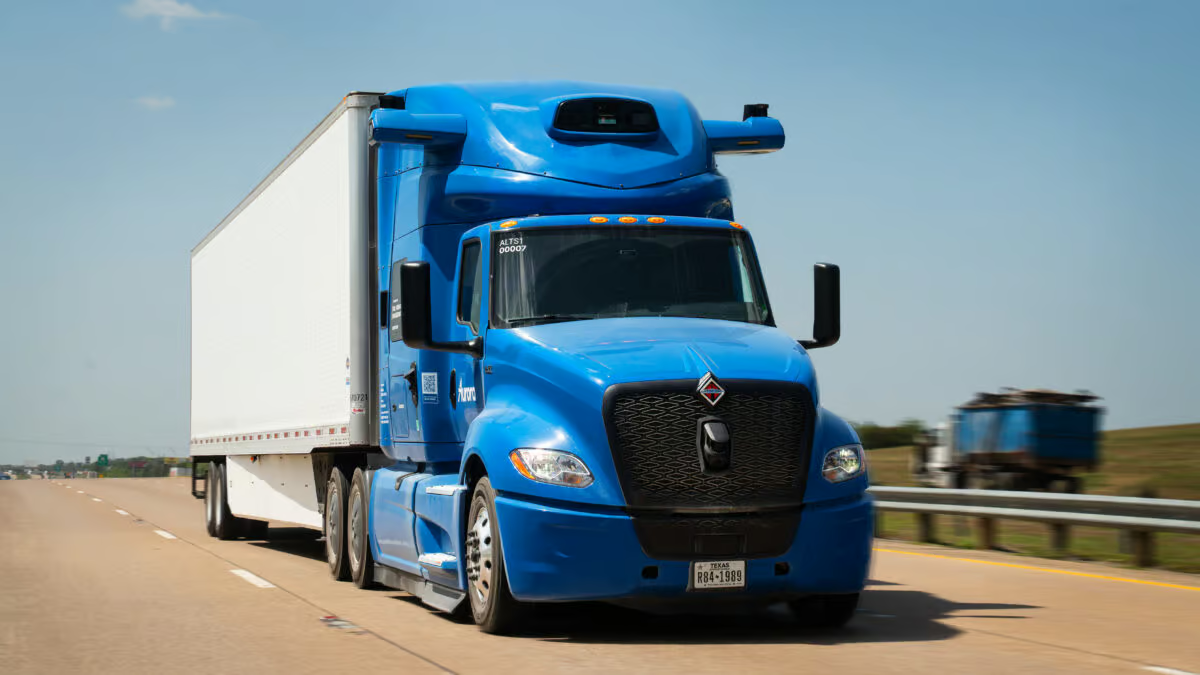
Atlas Energy Solutions is expanding its driverless truck operations across the Permian Basin, with plans to grow its Kodiak AI-powered fleet to 100 vehicles by mid-2027.
The companies have agreed to a delivery schedule that would increase the fleet from 28 driverless trucks to 100 autonomous trucks, which are scheduled to begin operating on public roads in early 2027.
The planned expansion builds on commercial driverless operations that began in 2024 on private lease roads and off-road routes in the Permian Basin. Atlas owns and operates the trucks, while Kodiak provides its autonomous driving system through a Driver-as-a-Service licensing agreement and supports the vehicles through remote monitoring.
Atlas is also running driverless trucks from two load-out locations at the same time for the first time. The locations are in Texas and New Mexico, approximately 90 minutes apart, allowing the company to serve a larger geographic area and respond to demand from multiple parts of the Permian Basin simultaneously.
The trucks haul proppant, commonly known as frac sand, from Atlas facilities to oil and natural gas well sites. Proppant is used during well completion to help keep underground fractures open and allow oil or gas to flow.
The additional operating location is positioned along Atlas’ 42-mile Dune Express sand conveyor system. The electric conveyor moves sand from the company’s Kermit, Texas, facility to a load-out site in eastern New Mexico.
Atlas began integrating autonomous trucks into that logistics network to reduce the number of conventional truck movements required between its sand facilities and customer sites. The operation also gives Kodiak a commercial environment in which to deploy driverless trucks without a person in the cab.
Moving onto public roads would represent a significant expansion of that operating environment. The trucks would need to interact with a broader mix of traffic, road users and infrastructure while meeting applicable regulatory requirements.
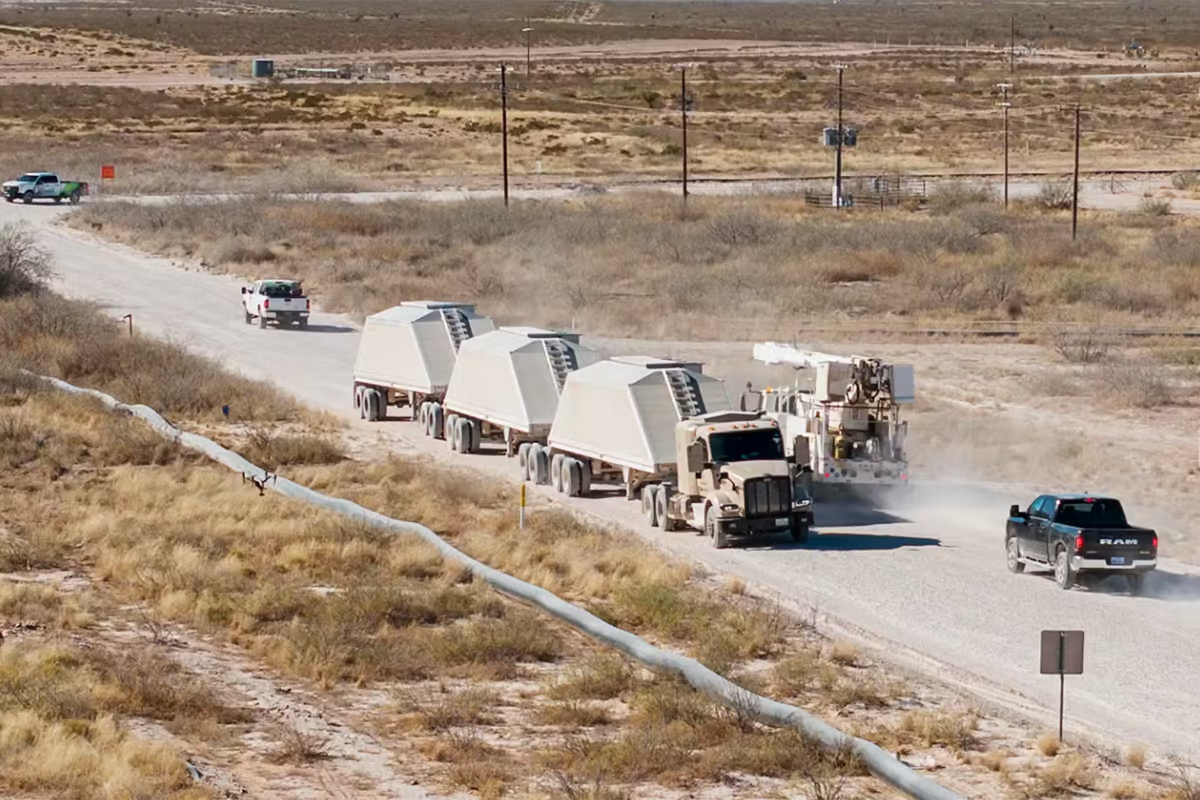
Earlier this year, Atlas and Kodiak demonstrated a driverless truck pulling three connected trailers with a combined loaded weight of more than 135 tons. The configuration was developed for specialized industrial operations rather than conventional interstate freight service.