State governments are continuing to shape the operating environment for advanced transportation technologies, with recent developments in California, Texas, Connecticut, and Washington pointing to two major areas of focus: autonomous vehicle oversight and electric vehicle charging infrastructure.
In California and Texas, policymakers and regulators are advancing new oversight frameworks for autonomous vehicles as commercial deployments expand. In Connecticut and Washington, state agencies are investing in charging infrastructure to support public-sector fleets, rural communities, tribal nations, multifamily housing, and areas that may not attract private charging investment as quickly.
Together, the developments show how states are playing a growing role in determining how advanced vehicle technologies move from pilot projects to broader deployment.
In California, SB 1246 has moved through the Senate and into the Assembly. The bill would create new requirements for commercial autonomous vehicle operations, including provisions related to remote assistants, remote drivers, local incident technicians, incident response, and reporting. According to bill materials, remote assistants, remote drivers, and local incident technicians supporting commercial autonomous vehicles would need to be located in the United States and hold California driver’s licenses.
The bill also includes provisions requiring autonomous vehicle operators to provide summary statistics on incidents where manual control of a commercial autonomous vehicle was necessary or where control was exercised by remote assistants, remote drivers, or local incident technicians.
For fleets, shippers, and technology developers, California’s proposal highlights a key policy question: how to balance autonomous vehicle deployment with state-level expectations around oversight, emergency response, transparency, and local operational support.
Texas is also moving forward with autonomous vehicle oversight, but through a different model. The Texas Department of Motor Vehicles has begun enforcing new commercial automated vehicle rules created by Senate Bill 2807, which took effect September 1, 2025. As part of that framework, Texas has launched an automated vehicle program that allows the public and law enforcement to verify automated vehicle authorization status.
The state has also created a public complaint process for driverless vehicles. Residents can submit complaints about significant public safety concerns involving autonomous vehicles, while the state can use its authorization process to oversee commercial operators.
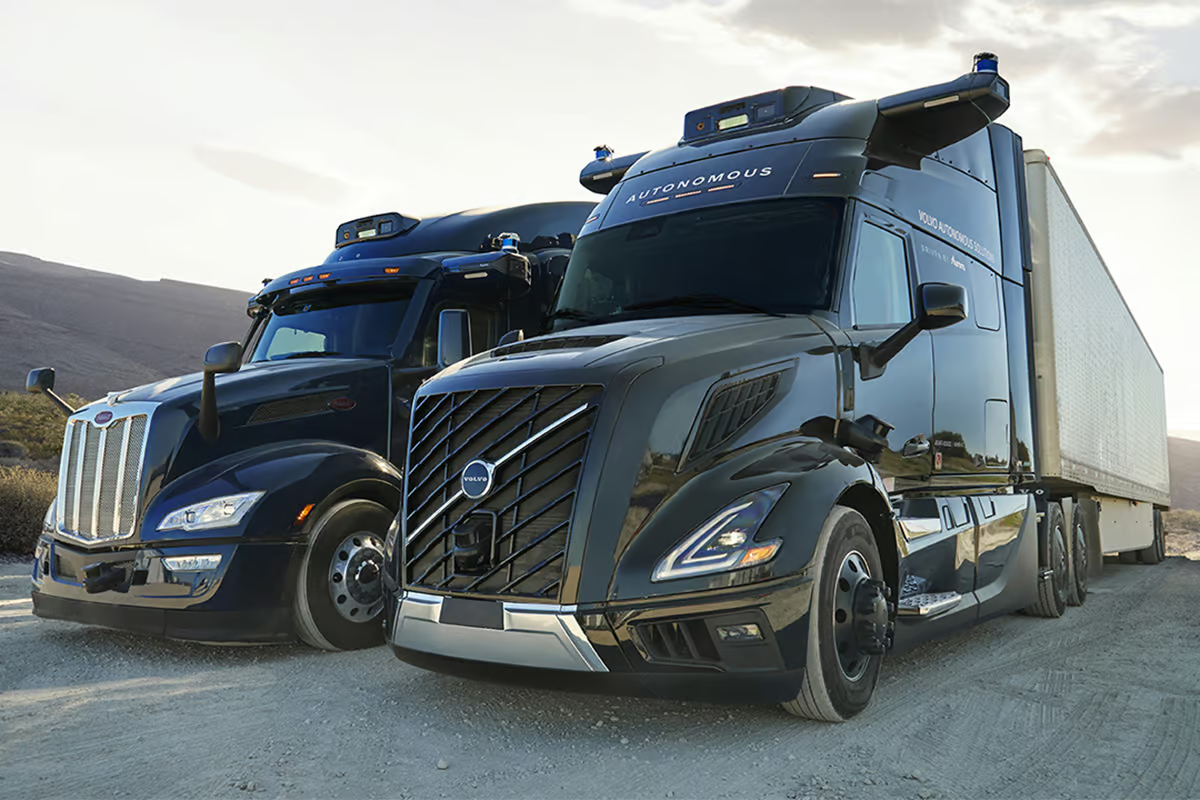
The California and Texas actions come as autonomous freight and passenger vehicle deployments are drawing more public and commercial attention. For commercial transportation, the policy environment matters because autonomous vehicle operators need predictable rules for deployment, while states and local agencies are seeking stronger tools for public safety, incident response, and accountability.
At the same time, states are continuing to invest in EV charging infrastructure to support fleet electrification and broader charging access.
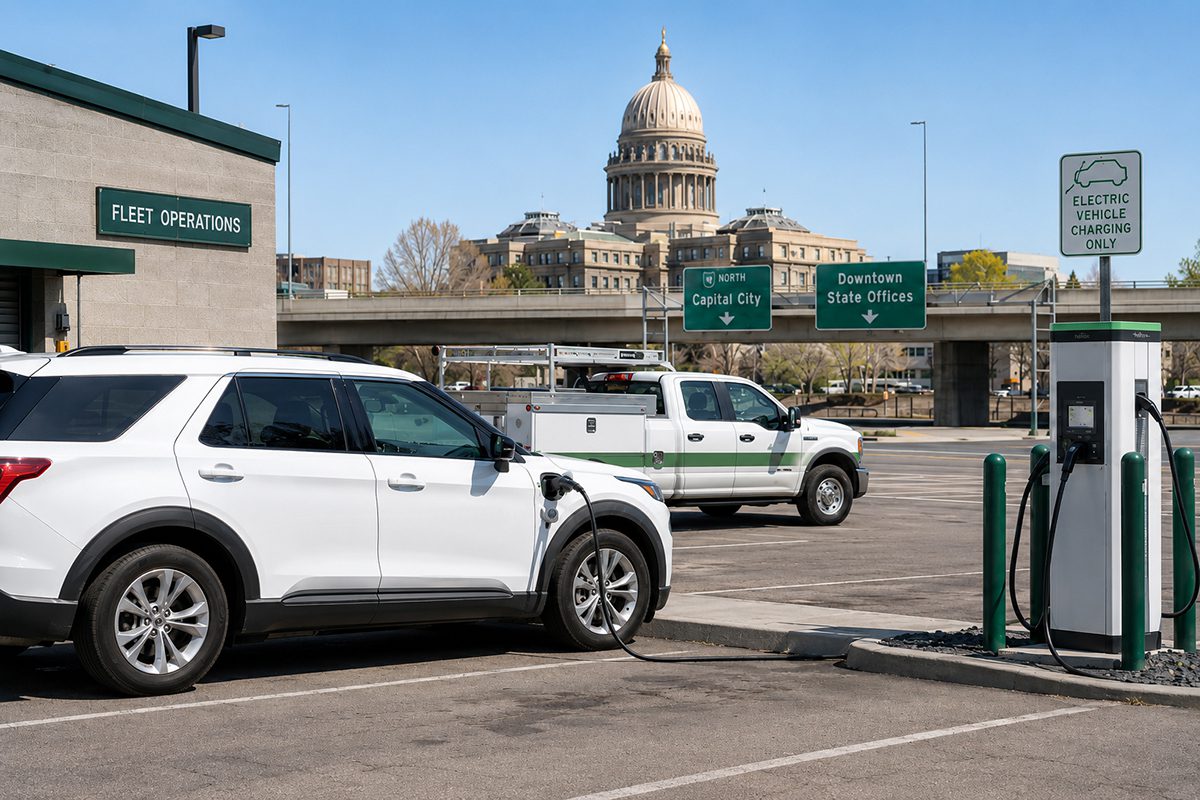
Connecticut plans to add approximately 370 EV charging ports across 25 large sites to support its state fleet electrification effort. The project follows a $3 million State Bond Commission allocation and is part of a broader infrastructure effort tied to the state’s plan to bring 780 electric vehicles into its fleet by January 2030.
The Connecticut buildout reinforces a lesson that has become familiar across fleet electrification: charging infrastructure often needs to come before vehicle deployment can scale. State officials have described the work as an infrastructure-first approach, with charging stations being added at state-owned properties before the state moves further into EV procurement.
Washington is also expanding EV charging access. The Washington State Department of Commerce awarded $37.3 million through the Washington Electric Vehicle Charging Program to 43 organizations for 104 projects. The grants are expected to add 754 charging ports by late 2027, including 550 Level 2 charging ports and 204 DC fast chargers.
Washington said the funding is focused on rural communities, tribal nations, multifamily housing, and areas underserved by private investment. While the program is not solely a fleet initiative, broader charging availability can support public agencies, commercial drivers, and communities where charging access remains limited.
For fleets and technology providers, these state actions point to a broader reality: the next phase of advanced transportation deployment will depend not only on vehicle technology, but also on policy, infrastructure, and public-sector coordination.
Autonomous vehicle companies will need to navigate state-by-state requirements for authorization, safety reporting, incident response, and public engagement. Fleet electrification efforts will require charging investments that account for site readiness, grid capacity, vehicle duty cycles, and long-term operational planning.
As commercial transportation technologies scale, states are becoming more active participants in shaping how they are deployed. Whether through AV oversight or charging infrastructure investment, state policy decisions will continue to influence where fleets can operate, how quickly new technologies can scale, and what support systems must be in place before broader adoption can occur.