
Fleet operators today are navigating an energy transition that’s more complex than ever. Just a few years ago, many were focused on one question: “How clean can we make our fleet?” Today, that question has expanded: “Can our fleet be clean… and also reliable, affordable, and scalable?”
This shift isn’t a retreat from sustainability goals. It’s a reflection of the new realities fleets face. Energy incentives are changing. Infrastructure reliability concerns are growing. Regulatory priorities continue to evolve. Fleet managers need solutions that work not just on paper, but in real-world operations across routes, vehicle classes, and budgets.
As the range of clean energy options grows, so does the pressure to make the right long-term decisions. Fleet managers must balance sustainability with practicality. Asking the right questions can help guide that process:
- Does this energy source reduce emissions today?
- Can it meet the performance demands of my duty cycles and routes?
- Are the fuel and infrastructure readily available and affordable?
- Can it scale quickly and reliably?
- Does it offer long-term flexibility as regulations and technologies evolve?
For each of these questions, propane autogas stands out. It’s a solution that meets fleets where they are without requiring them to wait for what’s next. And when paired with renewable propane, it brings fleet owners closer to zero-emissions performance.
Clean Still Starts with Emissions
There’s no question that reducing greenhouse gases and other harmful emissions remains a top priority for the transportation sector. And there’s more momentum than ever to move away from diesel and gasoline toward low-emissions alternatives.
Propane autogas vehicles reduce harmful nitrogen oxides (NOx) by 96 percent compared with diesel and produce virtually no particulate matter, all of which helps improve local air quality and meet increasingly stringent environmental regulations.
More fleet owners are also adopting renewable propane for even cleaner performance. Produced from sustainable feedstocks like waste oils and plant materials, renewable propane offers dramatically reduced carbon intensity compared to conventional fuels. Because it’s chemically identical to conventional propane, it can be used in the same propane autogas vehicles and refueling infrastructure, making it one of the simplest, most cost-effective ways to move toward near-zero-emissions operations without starting over.
Together, propane autogas and renewable propane offer a powerful clean energy combination that not only reduces emissions today but is also flexible and future ready.
Sustainability Must Be Scalable
A clean energy solution only creates lasting impact if it can be implemented without breaking the budget. Even the cleanest technologies can’t drive progress if they’re out of financial reach. Affordability is what transforms clean energy from a concept into a scalable, actionable solution.
Propane autogas is one of the most cost-effective clean fuels available today. It can lower fuel costs compared with diesel by as much as 50 percent, helping fleet owners reduce total cost of ownership without sacrificing performance. And because propane autogas is a clean energy option, it doesn’t require complex emissions systems or added fluids and filters that can increase maintenance expenses.
Infrastructure is also a major advantage. Installing a propane autogas refueling station is quick, easy, and affordable. In many cases, propane suppliers will lease the refueling infrastructure at little to no cost to the fleet owner, removing a significant barrier to entry. Whether a fleet is just beginning its clean energy transition or expanding an existing program, propane autogas is a budget-friendly option that scales with ease.
Building a Strategic Energy Mix
As operations evolve and new routes and vehicle classes are added, many fleets find that a single energy source can’t do it all. That’s why forward-thinking fleet managers are developing diversified clean energy strategies, using multiple technologies based on specific duty cycles, routes, and infrastructure availability.
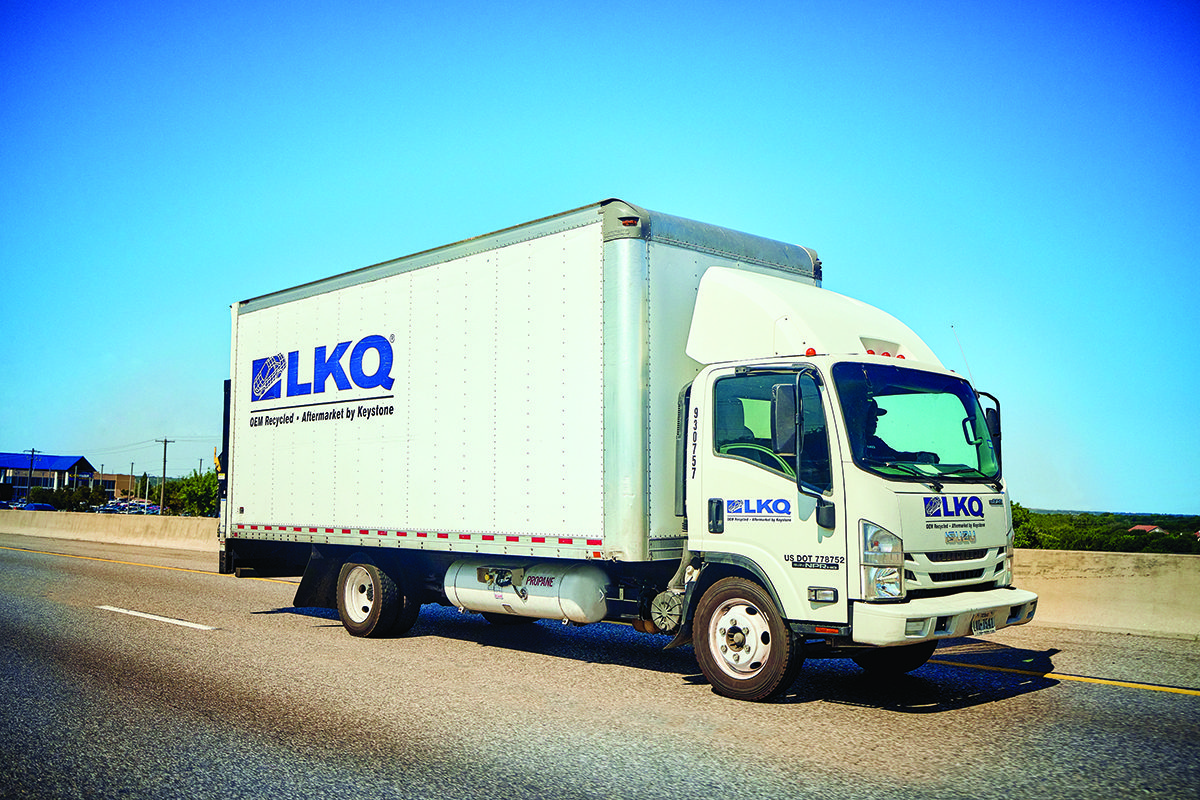
For fleets that run medium-duty operations, propane autogas isn’t just a supporting player — it’s a cornerstone. It complements other clean energy options by filling critical gaps in uptime, cost-efficiency, and operational range. When electric vehicles cover local urban routes, propane autogas can cover regional or higher-mileage segments. This keeps the fleet as a whole cleaner, more resilient, and more cost-effective.
Propane autogas also adds a layer of security against energy system disruptions. In natural disasters, grid outages, or weather extremes, propane autogas continues to operate independently of the grid to keep vehicles fueled and fleets running.
Clean Energy That’s Built to Last
The future of fleet sustainability isn’t about choosing the flashiest energy source; it’s about choosing the one that delivers on what matters most: emissions, cost, reliability, and scalability.
Propane autogas and renewable propane offer that full package, either on their own or as part of a broader energy mix. They allow fleets to meet their environmental goals while staying on schedule, on budget, and on the road.
In a world where new stressors are expanding what fleet owners need to think about on the clean energy path, propane autogasstands out as an energy solution that works in the real world, right now.
For more information on how propane autogas can be implemented into a fleet owner’s strategy, visit propane.com/fleet-vehicles.
Joel Stutheit is the senior manager of autogas business development at the Propane Education & Research Council. He can be reached at joel.stutheit@propane.com.