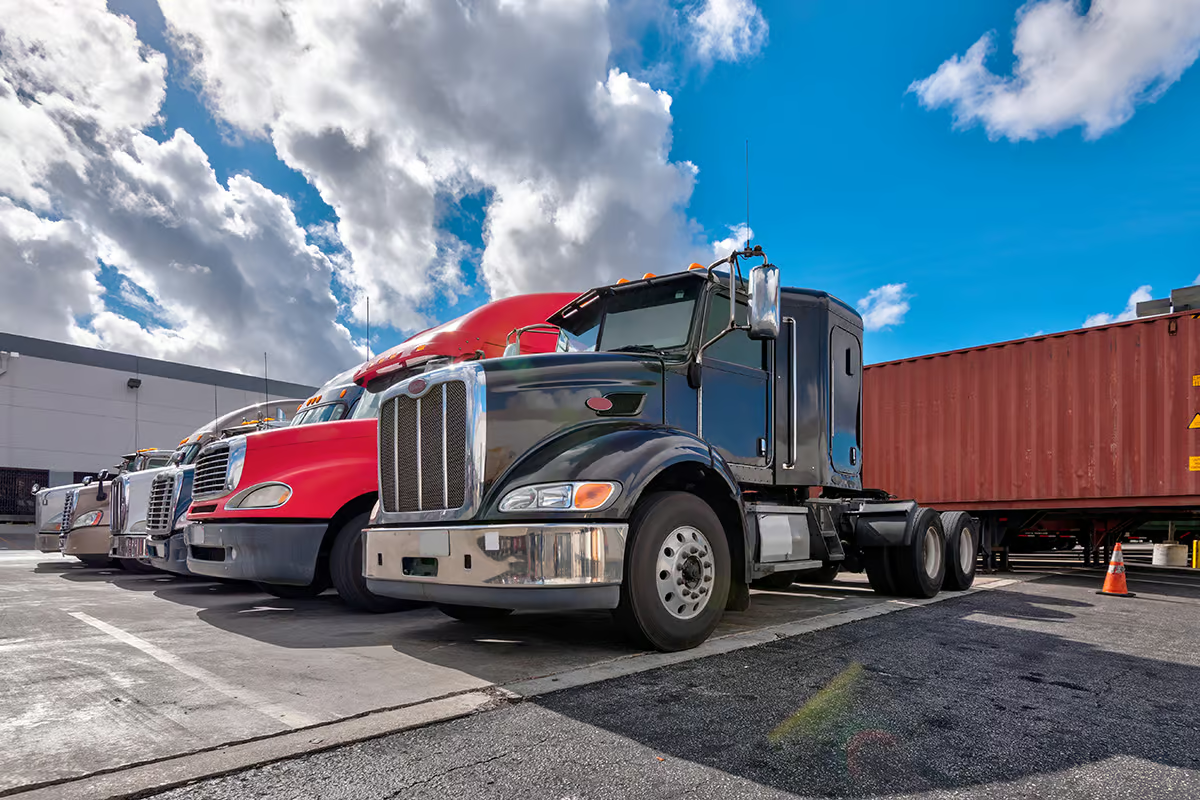

Fleet owners today face growing uncertainty about the stability of their energy supply. Power outages, fuel shortages, and natural disasters can all leave vehicles sidelined at the very moment they are needed most. A new report from the U.S. Department of Energy warns that blackouts could increase by 100 times by 2030 if the country continues to retire reliable power sources without adding firm capacity. For fleet managers tasked with evacuations, emergency response, and critical deliveries, this raises an urgent question: how do you ensure vehicles stay on the road when infrastructure fails?
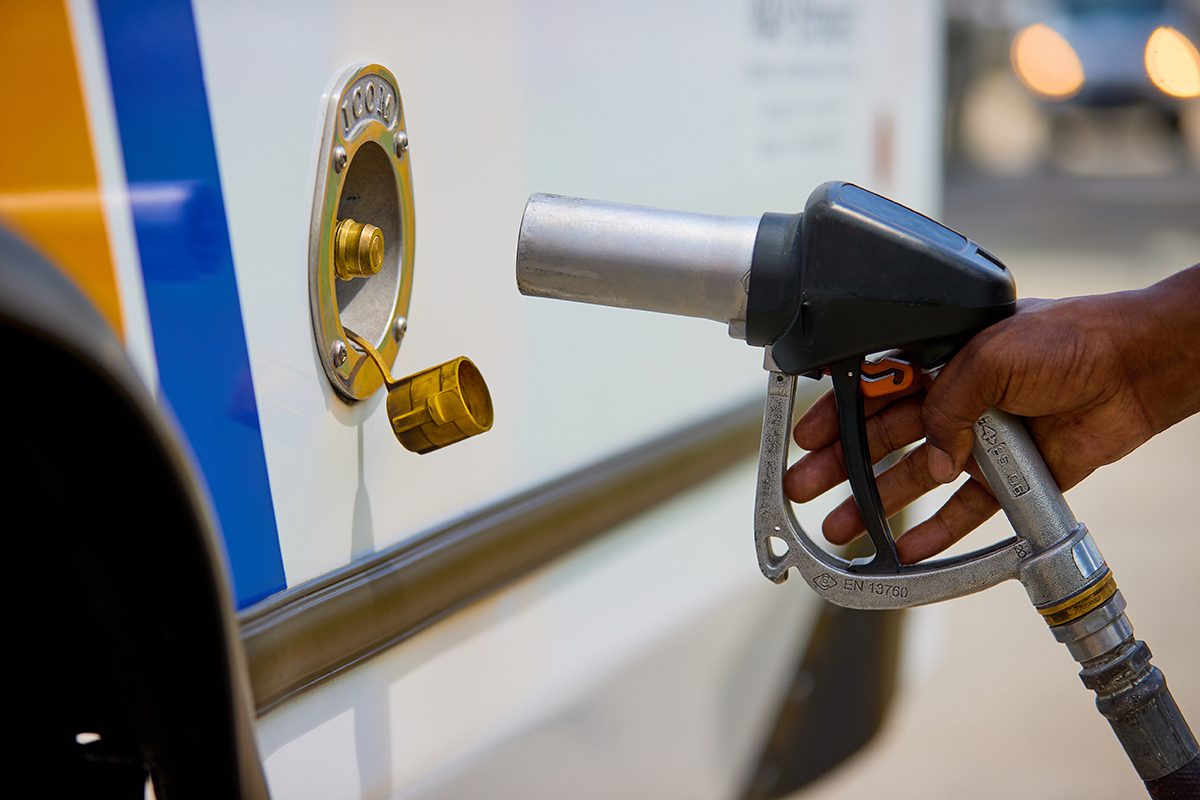
More public and private fleet owners are turning to propane autogas as part of the answer. With domestic availability, on-site fueling options, and the ability to operate independently of the electric grid, propane autogas enables fleets to keep moving in the face of disruptions.
Reliable Energy Right On Site
One of the primary reasons fleet owners choose propane autogas is the ability to maintain control over their fueling even during times of disruption. Most fleet owners install a private, on-site refueling station with a tank and dispenser when they transition to propane autogas. This ensures they have access to energy even if public stations are crowded, closed, or experiencing shortages. That independence is particularly valuable during severe weather, when uncertainty is at its highest.
Another advantage of propane autogas is that it can be delivered even during grid interruptions. In the immediate aftermath of a natural disaster, propane suppliers often act as first responders to deliver propane to those who need it. For fleet owners facing power disruptions or that need to service an area away from their main refueling station, propane suppliers will place a refueling bobtail in areas of high need to ensure access to energy.
The reliability of propane autogas has been tested in real emergencies. After Hurricane Helene struck the Southeast in fall 2024, Blossman Gas mobilized its propane autogas fleet almost immediately. Within 24 hours of landfall, 36 propane autogas-powered delivery trucks were back in service across North Carolina, South Carolina, Tennessee, and Georgia.
Even with employees facing personal losses at home, Blossman’s planning and infrastructure allowed branches to stay operational. At its Asheville, North Carolina location, propane suppliers filled more than 4,000 grill cylinders in the first eight days after the storm, while its Hendersonville location filled another 1,600. This rapid return to service offers an example of how propane autogas fleets can remain operational and support community recovery when other systems are compromised.
Dependability Backed by Supply and Performance
Resiliency also comes from supply confidence. About 90 percent of propane used in the United States is produced domestically, which helps reduce exposure to international market disruptions. For fleet managers making long-term plans, that domestic supply base provides peace of mind that fuel will remain available when it is needed most.
Performance adds another layer of assurance. Propane autogas vehicles can travel up to 400 miles on a single refueling, minimizing downtime and giving operators confidence that their fleets are prepared for extended deployments in the field.
Finally, propane autogas has decades of established fueling standards and a nationwide service network. It is already trusted by thousands of paratransit, law enforcement, and delivery fleets. That history of safe, reliable use gives fleet operators the confidence that they can integrate propane autogas into operations without compromising service or safety.
Off-Grid Charging for Electric Fleets
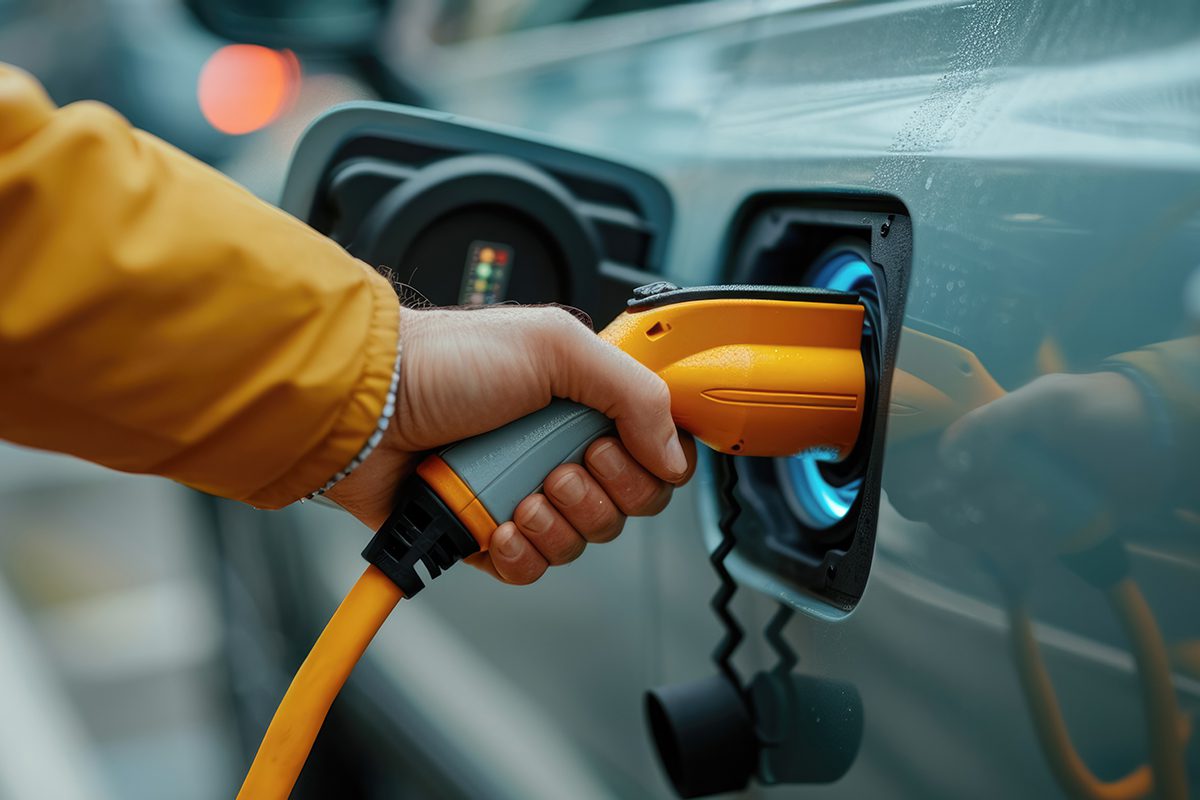
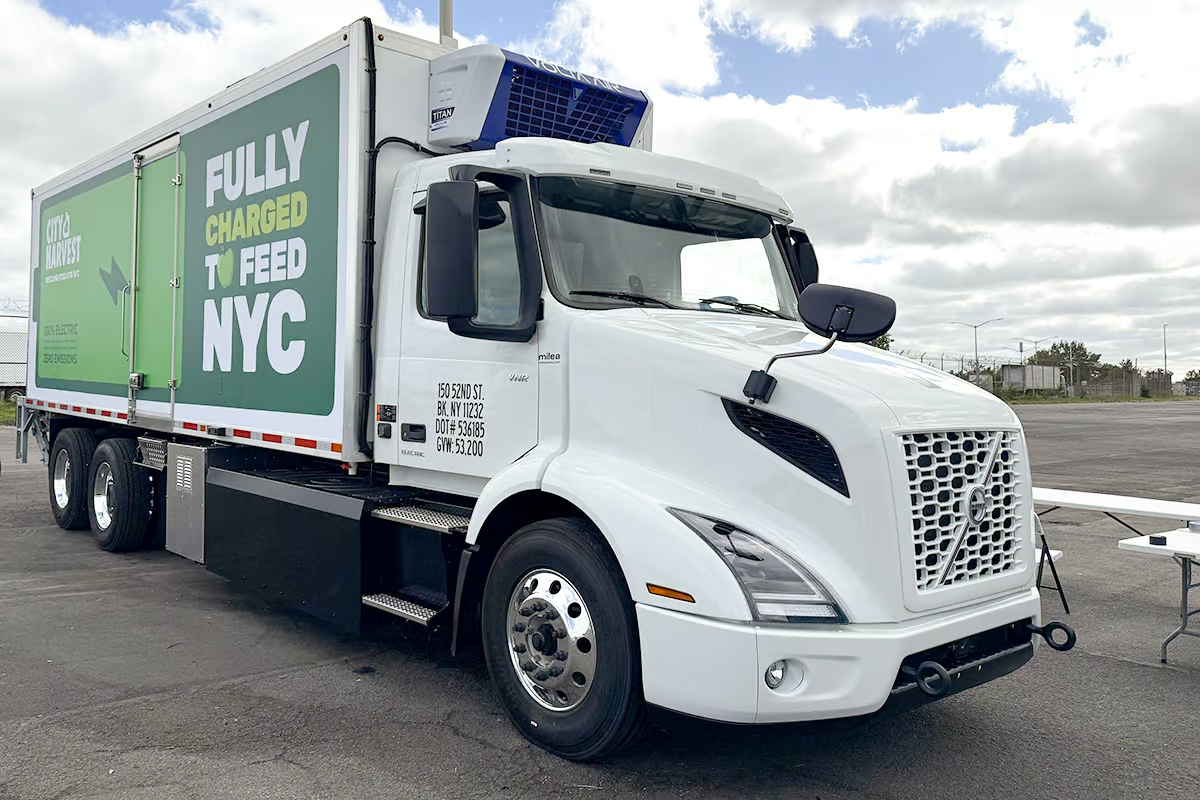
As more fleet owners add electric vehicles to their mix, the question of how to keep them powered during outages has become urgent. Propane-powered charging provides a reliable solution. These portable units employ a propane-powered generator, and in some cases renewable sources like wind and solar, to create an independent microgrid that can charge vehicles. These systems can be deployed quickly to shelters, recovery zones, or fleet depots, helping keep electric vehicles in service when they are needed most.
In addition to reliability, propane-powered EV charging delivers environmental benefits. For light commercial microgrid (<100kW generation system) applications, propane fuel cells lead to near zero nitrogen oxide (NOx) and carbon monoxide (CO) emissions, as well as a 24 percent reduction in carbon dioxide (CO2) emissions compared with diesel. Propane is also a shelf-stable energy that doesn’t degrade over time, unlike diesel which has a shelf life of just six to twelve months.
By complementing EV infrastructure with propane-powered charging, fleet owners can diversify their energy strategies while ensuring vehicles remain ready for deployment.
Preparing for the Unexpected
Energy disruptions can take many forms, but fleet owners that plan for uncertainty will be equipped to protect their operations and the communities they serve. Propane autogas and propane-powered recharging offer reliable solutions. Learn more at propane.com/fleet-vehicles.
Joel Stutheit is the senior manager of autogas business development at the Propane Education & Research Council. He can be reached at joel.stutheit@propane.com.