As autonomous vehicle technology advances toward commercial deployment, a new partnership is aiming to solve one of the less discussed challenges facing driverless fleets: how vehicles will recharge without human intervention.
Autolane and HEVO announced a collaboration to integrate wireless charging technology with autonomous vehicle operations, enabling fleets to recharge automatically during scheduled stops without requiring drivers to plug in charging equipment. The companies say the system is designed to support autonomous commercial fleets that operate continuously across logistics, delivery, and transportation networks.
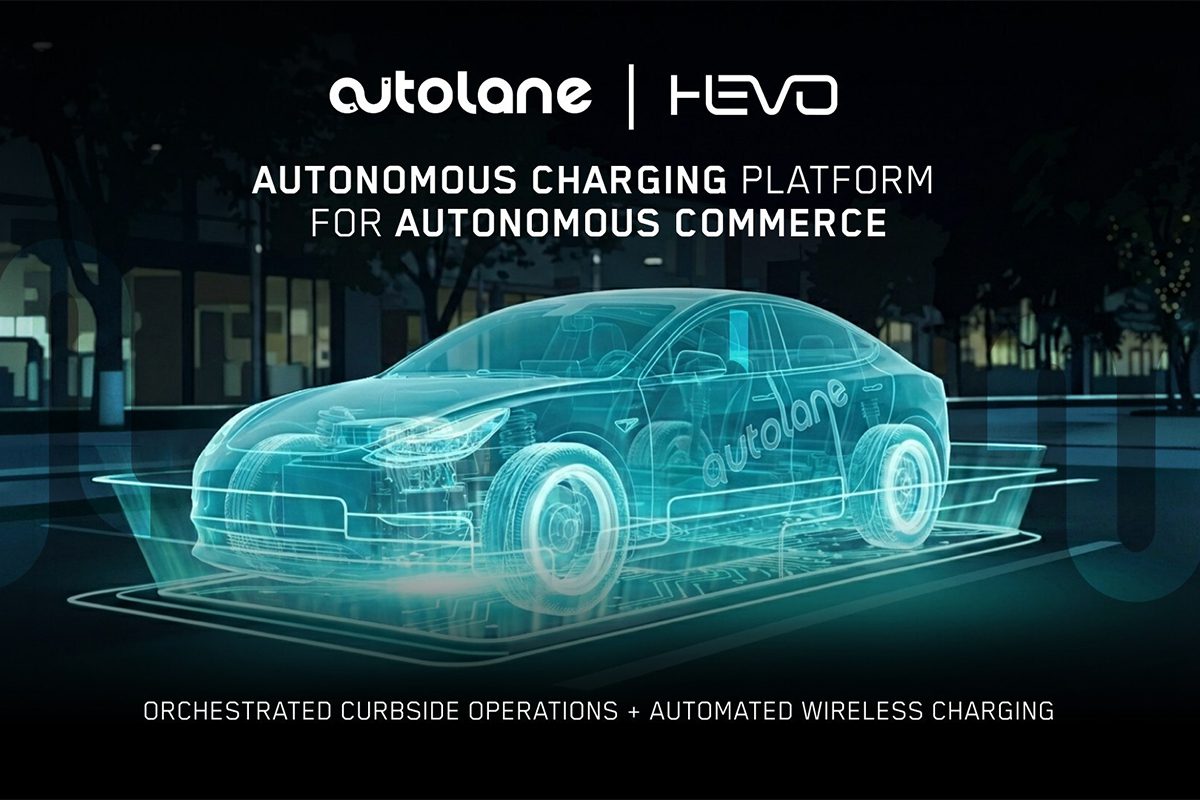
The partnership combines Autolane’s autonomous vehicle operations platform with HEVO’s wireless charging technology, which allows electric vehicles to recharge simply by parking over a charging pad embedded in the ground. The companies say the system will allow autonomous fleets to charge during routine dwell times such as loading, unloading, or staging.
“Our partnership with HEVO represents a critical step toward enabling truly autonomous commerce,” said Mark Shifke, CEO of Autolane, in the announcement. “Autonomous vehicles require autonomous energy solutions, and wireless charging removes one of the final manual steps in fleet operations.”
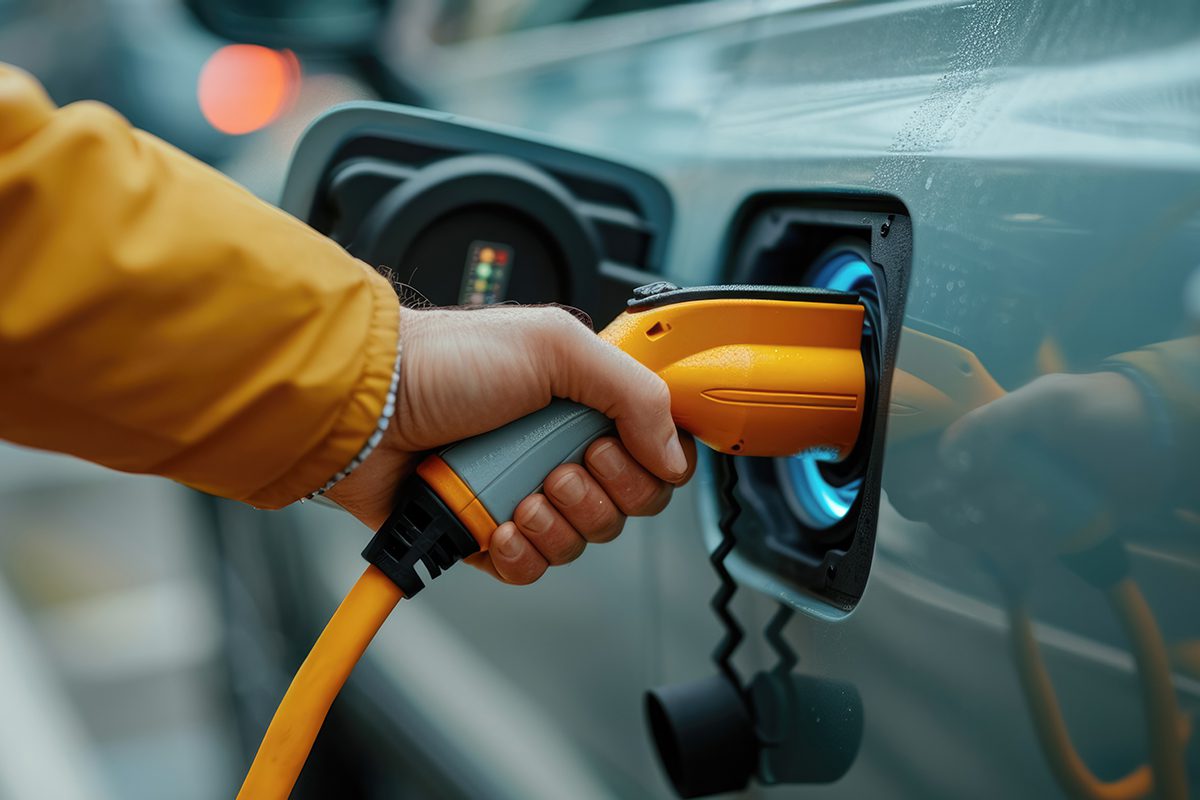
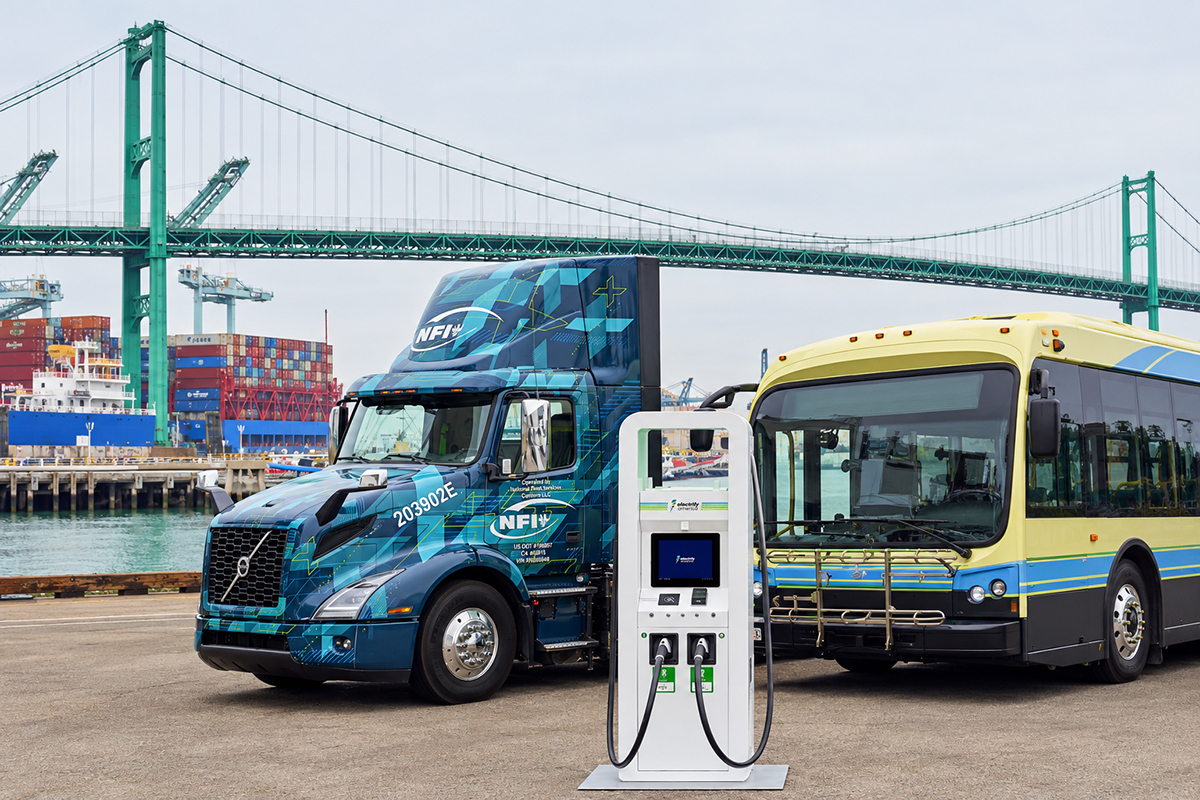
For autonomous commercial fleets, the ability to recharge automatically could be a key operational requirement. While battery-electric vehicles can already recharge through conventional plug-in chargers, those systems typically require human involvement to connect and disconnect charging cables.
Wireless charging could allow autonomous vehicles to recharge without human intervention, supporting continuous operations and improving fleet utilization. HEVO said its wireless charging platform is designed to provide high-power charging for commercial vehicles while reducing the need for physical connectors and cables.
“Wireless charging will play a vital role in the future of autonomous transportation,” said Jeremy McCool, CEO of HEVO. “By combining HEVO’s wireless charging technology with Autolane’s autonomous commerce platform, we’re creating a seamless energy solution that enables vehicles to operate with minimal human interaction.”
The companies say the integrated system will allow fleet operators to monitor both vehicle operations and charging activity through Autolane’s software platform, helping optimize routing, energy use, and charging schedules.
Wireless charging has been explored in several passenger vehicle and transit applications, but the companies say the partnership aims to extend the technology into autonomous commercial fleets, where vehicles may need to operate nearly continuously.
As autonomous trucking and delivery systems move closer to commercialization, infrastructure solutions that eliminate manual processes — including fueling and charging — could become increasingly important. The companies say their collaboration is intended to support that transition by enabling fleets to charge vehicles automatically during normal operational pauses.