
As I head to ACT Expo this year, I’m thinking less about technology and more about the people trying to make difficult decisions in an uncertain moment.
Across the country, fleet operators, logistics leaders and shippers are being asked to plan for the future while many of the signals they once relied on are shifting. Incentives are changing. Regulations are being challenged. Infrastructure timelines remain uneven. Fuel markets are more volatile than ever. Yet freight still needs to move every day – reliably and affordably.
For many companies, this creates a difficult operating environment. They are trying to manage costs, serve customers, hit sustainability goals and make smart long-term investments all at the same time.
While I work at Environmental Defense Fund, I see this as a challenge that belongs to all of us. At EDF, we work with companies across the freight ecosystem, and the message that rings true in my work every day is that so many fleets want to integrate sustainability in their operations, but they need confidence that the broader system will move with them.
That means companies cannot afford to view themselves only as recipients of policy or passive observers of market change. Companies that are serious about climate goals and operational resilience have an important role to play. The market conditions needed to scale cleaner freight will be stronger and arrive faster when industry participates directly in shaping them.
The transition to cleaner freight will not be delivered by any one company, one manufacturer or one policy. It will require fleets, shippers, utilities, manufacturers, communities, the workforce and policymakers each doing their part.
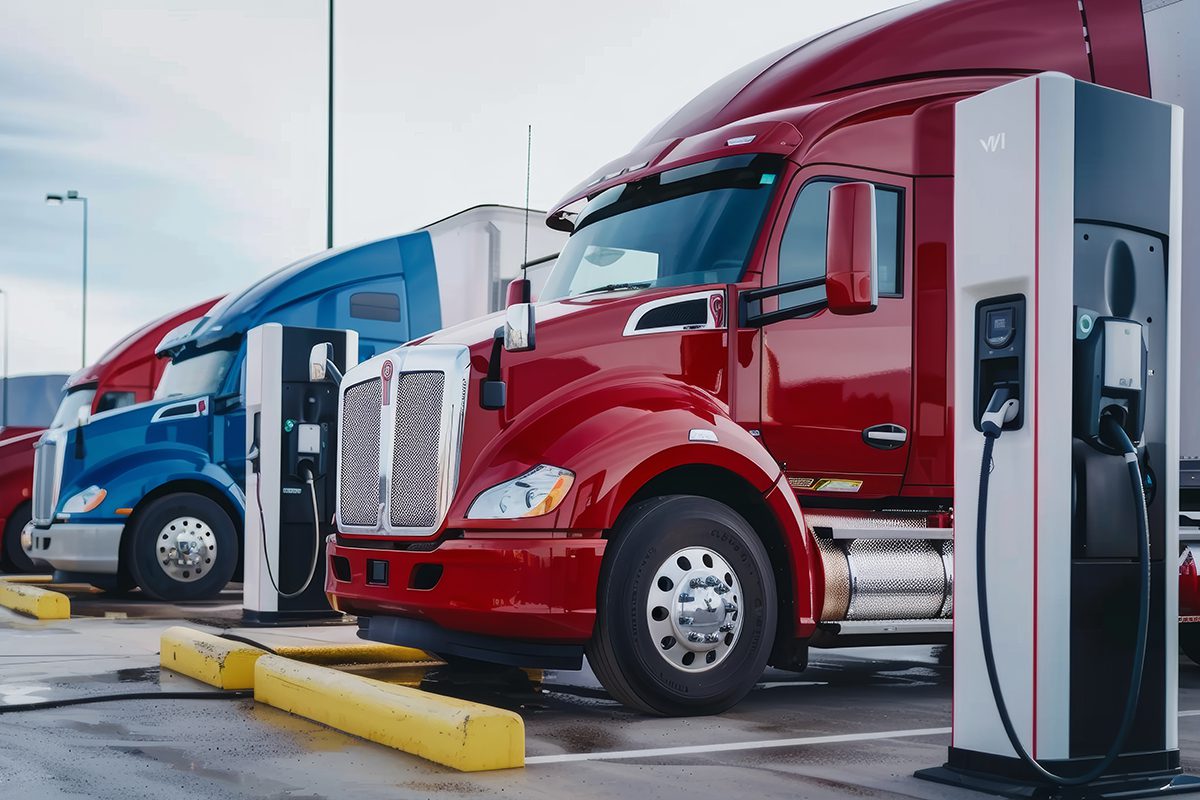
Progress is already underway. Electric trucks continue to be deployed. Charging solutions are improving. New partnerships are emerging. Companies are integrating transportation emissions into procurement and planning decisions. And recent market signals suggest something important: when cleaner trucks offer stronger economics and operational performance, fleets respond. All of this suggests the market is moving beyond pilots.
What comes next is scale. Scale depends on operational leadership, clearer market signals and confidence that investments made today will be supported by the infrastructure, pricing and policy frameworks of tomorrow. The question is no longer whether companies support cleaner, more efficient freight in principle. It is whether their investments, operations and influence reflect that commitment in practice.
Fleets have more influence than they often realize. These are three ways companies can play a direct role in shaping the market conditions they depend on to operate and compete.
First, align industry representation with company goals. If a business has sustainability targets or fleet transition plans, its voice in trade associations, coalitions and public forums should reflect those commitments. Markets move faster when companies operate consistently.
Second, share real-world operational experience. Policymakers, utilities and manufacturers need to hear directly from fleets about what is working, what barriers remain and what practical solutions can help deployment succeed. These decision makers know that no one understands operational reality better than operators themselves.
Third, signal demand for durable policy and infrastructure. Transportation companies and shippers that hire their services can make clear that long-term investment requires timely grid connections, workable utility rates, transparent pricing, dependable funding, adequate incentives and regulatory certainty. These are not abstract policy preferences – they are business necessities.
This is not about asking companies to act alone. As more fleets and shippers bring their business strategies, capital decisions and policy engagement into alignment with their sustainability and efficiency goals, momentum will build across the market. That is how durable change happens: when commitments are backed by action across an industry.
Environmental Defense Fund has a long history of working with companies to find the ways that work. In this moment, that means continuing to advocate for the infrastructure, policies and partnerships fleets need to meet their sustainability ambition. We invite companies ready to use their own voice and influence to move the market toward a more sustainable freight future.
The future of freight is still being written. The companies that engage now will help shape what it becomes.