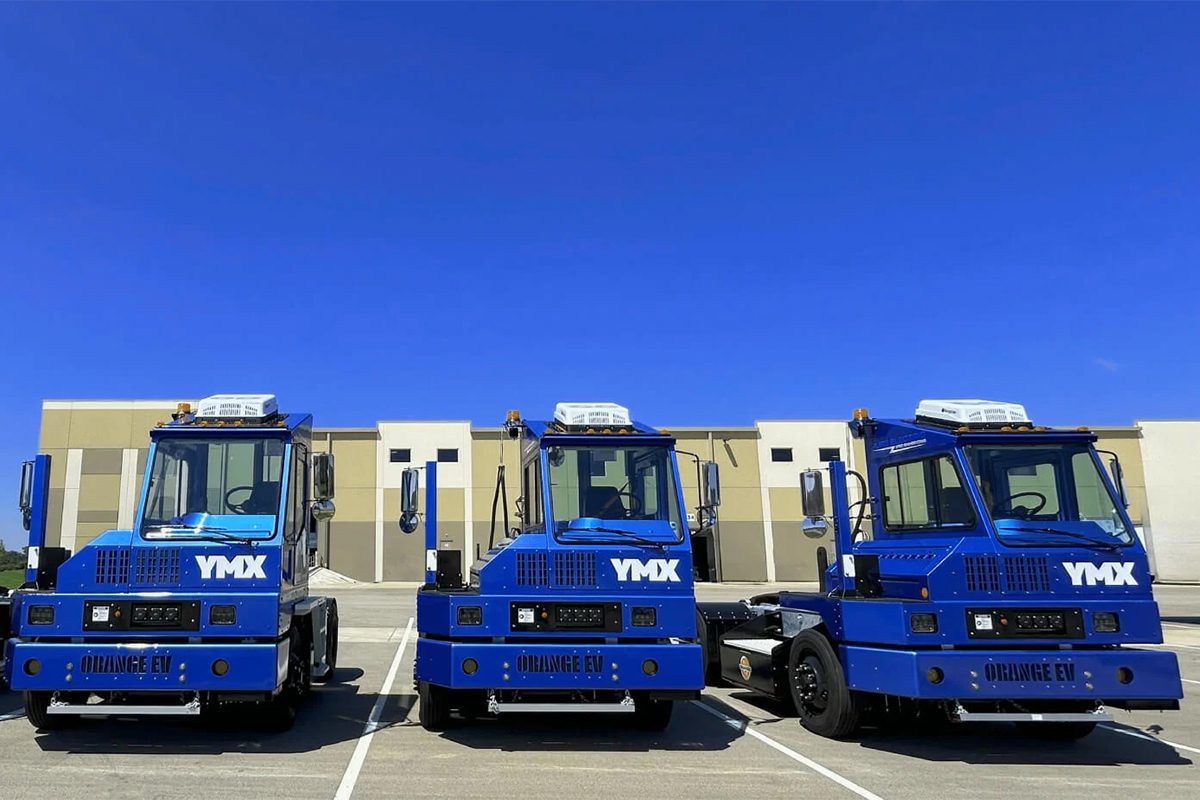
Yard operations, often one of the least examined parts of the supply chain, could represent one of the biggest opportunities for fleets to reduce costs, improve efficiency, and cut emissions without replacing equipment. According to YMX Logistics, fleets are beginning to take notice while searching for new ways to control costs, reduce emissions, and manage growing operational complexity.
While most decarbonization conversations focus on over-the-road trucks, the yard environment may offer one of the most practical starting points for change. Yard tractors operate predictable routes, move at lower speeds, and return to the same location every shift. These conditions make them well suited for operational optimization and electrification.
“Inside the yard, you have a very controlled operating environment,” said Matt Yearling, CEO of YMX Logistics. “That makes the yard one of the most practical and economically viable environments to begin electrification.”
But technology alone is rarely the first step. Across large freight networks, a significant share of yard-related costs and emissions stem from operational inefficiencies that have accumulated over time. Excess trailer moves, poor coordination between gates, yards, and docks, inconsistent spotting practices, and idle equipment can all drive unnecessary fuel use and labor expense.
In many cases, simply improving operational visibility can reveal opportunities to reduce both emissions and costs simultaneously.
“Companies often uncover inefficiencies that have existed for years,” Yearling said. “Improving operational visibility and process discipline can reduce both emissions and operating expenses at the same time.”
Asset utilization is another major opportunity. Many facilities operate more yard tractors than necessary because they lack clear insight into workload patterns, trailer dwell times, or move demand across shifts. With better data and operational structure, fleets can often complete the same work with fewer assets running in the yard.
For many fleets, the path forward is incremental. Infrastructure availability, utility timelines, and operational requirements vary widely across facilities, making immediate fleet-wide electrification impractical. Instead, YMX recommends treating electrification as a phased process that begins with operational improvements and gradually introduces electric equipment where it makes economic sense.
“A significant portion of emissions and cost in yard operations comes from inefficiencies,” Yearling said. “By improving visibility and operational discipline, fleets can reduce diesel usage significantly before changing any equipment.”
Operational changes inside the yard can also deliver rapid returns. Move efficiency is one of the most immediate levers. Poor trailer sequencing and limited visibility between yard, dock, and gate operations often create unnecessary moves that increase fuel consumption and labor hours. Tightening coordination between these functions can reduce total moves and improve throughput almost immediately.
Standardizing processes across shifts and facilities is another key factor. When different teams operate the yard in different ways, performance becomes inconsistent and inefficiencies multiply. Establishing clear procedures and accountability across operations helps improve productivity while lowering fuel consumption.
Erin Mitchell, chief operations officer at YMX Logistics, said many yards lose money simply by operating with more labor and equipment than necessary.
“When yards experience congestion or capacity challenges, the instinct is often to add more drivers or deploy more yard trucks,” Mitchell said. “In many cases, however, the real solution lies in identifying the root cause of the inefficiency.”
Those root causes can include inefficient yard layouts, uneven warehouse wave planning, unnecessary trailer moves, or duplicated work between teams. Addressing those underlying issues often improves performance without requiring additional equipment or labor.
Yard layout and trailer flow can also play a major role in reducing emissions. Coordinating dock assignments with warehouse activity and positioning trailers strategically in the yard reduces travel distance for yard tractors and minimizes empty moves.
Safety improvements can also contribute to operational efficiency and emissions reductions.
According to Chad Claude, vice president of fleet strategy and loss prevention at YMX Logistics, accidents and equipment damage can disrupt yard operations and reduce productivity.
“When accidents happen, operations slow down, equipment is taken out of service, and productivity drops,” Claude said. “Strong safety programs reduce those disruptions, which helps keep equipment moving efficiently and reduces idle time and unnecessary movements.”
Looking ahead, YMX expects several trends to reshape yard operations over the next five years.
Digitization is likely to expand as companies adopt platforms that provide real-time visibility into trailer locations, moves, asset utilization, and dwell times. Many facilities still rely on radios, spreadsheets, and manual coordination, limiting their ability to optimize operations across large networks.
Electrification inside the yard is also expected to grow as infrastructure expands and economics improve. Because yard equipment operates in predictable duty cycles, it is one of the most practical environments for early electric vehicle deployment.
Autonomy may follow close behind. The controlled environment of the yard makes it a logical testing ground for autonomous trailer movement and yard truck operations, with pilot programs likely to expand in the coming years.
Perhaps the biggest change will be how companies view the yard itself.
Historically managed locally at individual facilities, yard operations are increasingly being recognized as a critical execution layer of the supply chain — one that directly affects transportation performance, warehouse throughput, safety outcomes, and sustainability goals.
As fleets continue to balance cost pressure, labor challenges, and emissions targets, the yard may prove to be one of the most immediate places where operational improvements and decarbonization efforts intersect.