The U.S. Environmental Protection Agency (EPA) has finalized a partial approval and partial disapproval of California’s Heavy-Duty Inspection and Maintenance (HD I/M) Regulation, preventing the state from applying the rule to out-of-state and foreign-registered vehicles while allowing the in-state portion to move forward under federal law.
In a final rule announced January 27, EPA determined that California’s attempt to extend its HD I/M program to heavy-duty vehicles merely operating within the state, regardless of where those vehicles are registered, failed to meet legal requirements under the Clean Air Act (CAA). As a result, EPA limited federal approval of the regulation to heavy-duty vehicles registered in California only.
The action stems from a State Implementation Plan (SIP) revision submitted by California that sought to apply inspection and maintenance requirements to all non-gasoline heavy-duty vehicles over 14,000 pounds operating in the state. EPA concluded that this broader application raised legal concerns, including potential violations of the U.S. Constitution’s Commerce Clause and conflicts with federal authority over foreign affairs. The agency found that California did not provide the “necessary assurances” required under Section 110(a)(2)(E)(i) of the Clean Air Act demonstrating that applying the regulation to out-of-state and international vehicles would comply with federal law. Based on that finding, EPA partially disapproved the SIP revision as it relates to those vehicles.
The California program at the center of EPA’s rulemaking, known as Clean Truck Check, is the state’s Heavy-Duty Inspection and Maintenance Regulation developed under state law to improve air quality by ensuring that emissions control systems on heavy-duty vehicles are functioning properly. Senate Bill 210 directed the California Air Resources Board (CARB) to adopt the regulation and implement it in phases beginning in 2023.
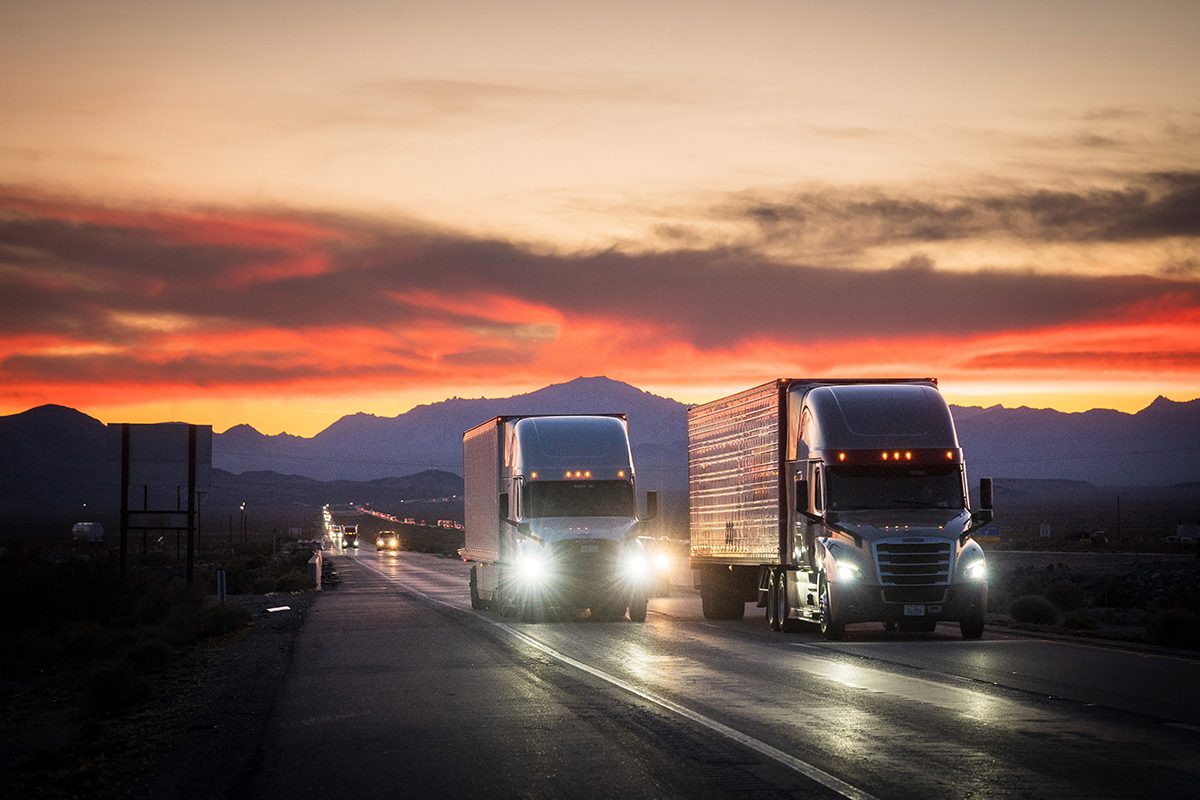
The program combines periodic vehicle testing with emissions monitoring and enforcement strategies intended to identify vehicles needing repairs and ensure they are fixed. Clean Truck Check applies to diesel and alternative-fuel heavy-duty vehicles with a gross vehicle weight rating over 14,000 pounds that operate on California’s public roads and highways, including vehicles registered outside the state.
Under EPA’s partial approval, only the portion of the regulation that applies to vehicles registered in California becomes federally enforceable under the Clean Air Act and will be incorporated into 40 CFR Part 52 following publication in the Federal Register. EPA also noted that because California’s SIP submission was not a required submission under the Clean Air Act, the partial disapproval does not trigger federal sanctions.
California regulators pushed back strongly against EPA’s decision.
“Today’s announcement is a whole lot of bluster about bean counting,” CARB spokesperson Lindsay Buckley said in a statement to the media. “EPA has no authority over this program, and we will continue to enforce the law to ensure that all trucks coming into and operating in California abide by the same rules — even if EPA doesn’t want to give us credit.”
EPA Administrator Lee Zeldin said the agency’s action prevents California from using its air quality program to impose vehicle policies beyond its borders, citing concerns about regulatory overreach and added costs for interstate trucking and supply chains.
EPA conducted a 30-day public comment period prior to finalizing the action.