Cherry Creek School District is partnering with Highland Electric Fleets and Xcel Energy on an electric school bus project that will include construction of a new electric school bus depot, adding another example of how school districts are approaching fleet electrification as an infrastructure and operations challenge, not only a vehicle replacement effort.
The district announced plans to host a groundbreaking ceremony for the depot as part of an effort to modernize student transportation. The project brings together a school district, an electrification partner, and a utility provider, reflecting a model that is becoming increasingly important as electric school bus deployments move from early pilots to larger operational programs.
For school districts, the transition to electric buses requires more than procuring vehicles. Charging infrastructure, utility coordination, depot planning, route management, and long-term fleet support are becoming central to whether electric buses can be integrated into daily student transportation operations.
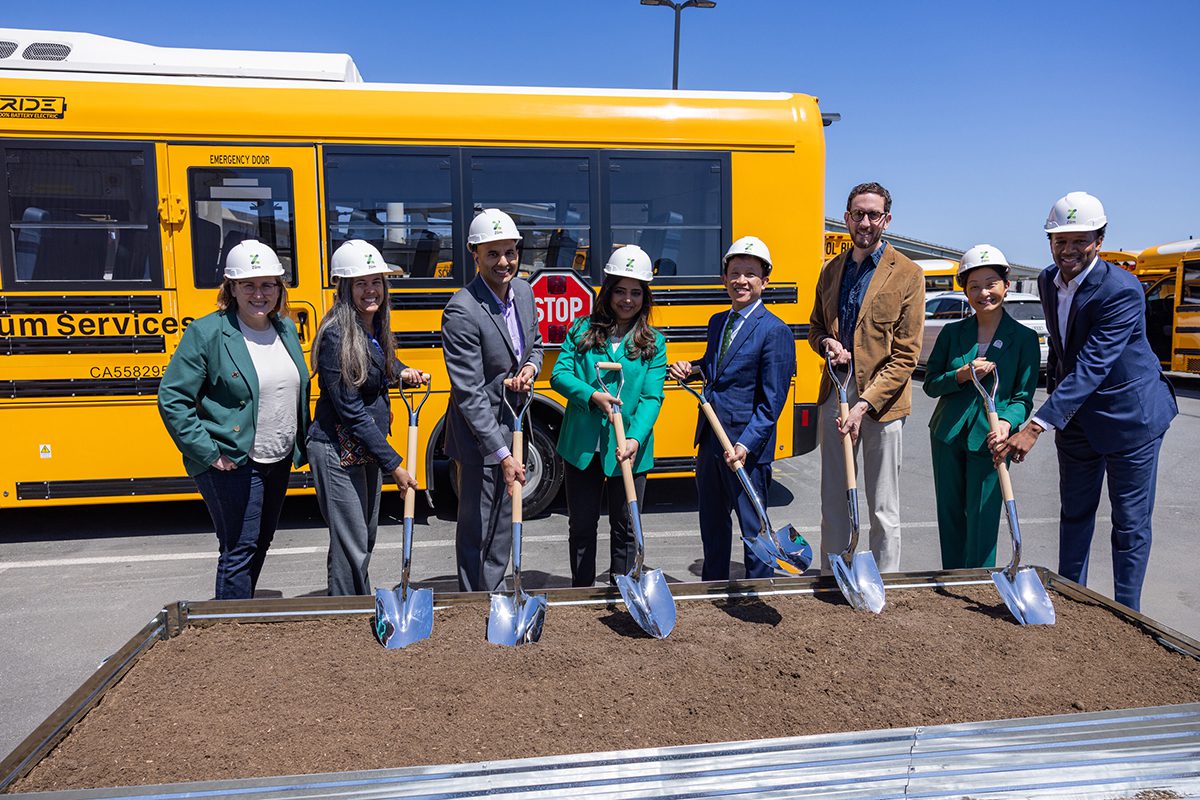
That approach is also visible in San Francisco, where Zum and San Francisco Unified School District recently announced an all-electric school bus fleet deployment supported by bidirectional vehicle-to-grid charging infrastructure. Zum said the deployment will be powered by its Connected Mobility Experience platform, combining electric vehicles, charging infrastructure, routing intelligence, real-time operations, and transparency for families into a single integrated transportation system.
Together, the Cherry Creek and SFUSD announcements point to a broader shift in school bus electrification. Districts are not only evaluating electric buses based on emissions reductions, but also on how the vehicles, charging systems, utilities, software platforms, and fleet operations work together.
In Cherry Creek, the involvement of Highland Electric Fleets and Xcel Energy highlights the role of outside partners in helping districts plan and implement electric school bus infrastructure. Highland describes its model as electrification-as-a-service, supporting school districts, governments, and fleet operators with financing, infrastructure, vehicle deployment, and maintenance. Xcel Energy offers fleet electrification advisory and infrastructure support, including programs tied to electric school buses and bidirectional charging infrastructure.
In San Francisco, the Zum and SFUSD project shows how a larger deployment can connect transportation modernization with energy management. Zum said the project will include 104 electric school buses with bidirectional charging infrastructure beginning in August 2026, with plans to expand to 238 electric buses by the 2027–2028 school year. The company said the buses will be capable of returning approximately 3 gigawatt-hours of clean energy to the local grid annually during peak hours.
The Zum announcement also frames student transportation as a connected fleet operation. According to the company, its CMX platform is designed to connect routing, dispatch, fleet operations, driver workflows, parent communication, and energy management in real time.
For fleet operators and public-sector transportation leaders, the two projects reinforce a key lesson: electric school bus deployments depend on the full ecosystem around the vehicle. A successful program requires matching buses to routes, aligning charging with operating schedules, coordinating with utilities, and using software and infrastructure to manage fleet performance.
As more districts consider electric school buses, the next phase of adoption may be defined less by individual bus purchases and more by the strength of the partnerships and infrastructure models that support them. The Cherry Creek project adds a newer example of that shift, while Zum and SFUSD show how the model can scale when vehicles, charging, software, and grid services are planned together.