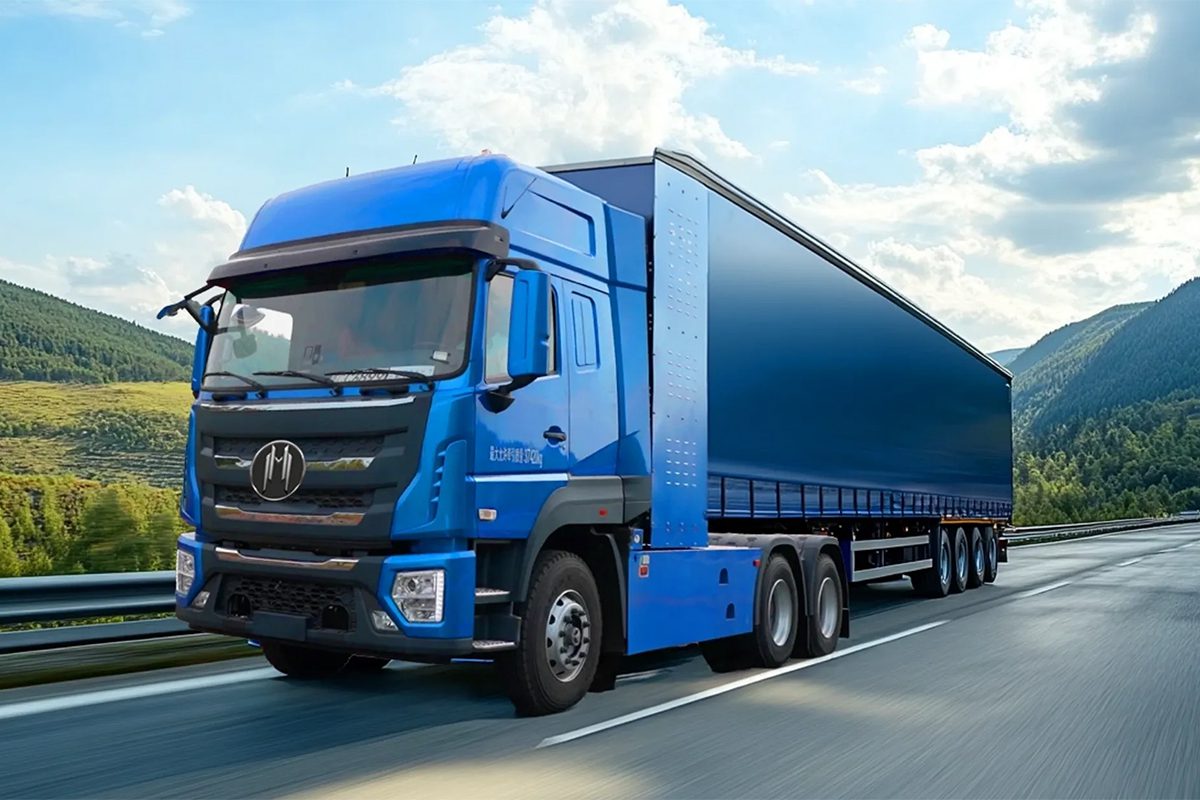
Horizon Motor Inc. has taken a significant step toward scaling zero-emission commercial vehicle production with a new agreement securing 1 gigawatt-hour (GWh) of solid-state battery capacity from Chery Automotive. The announcement marks one of the largest known solid-state battery allocations tied to a U.S. vocational truck manufacturer and positions the Georgia-based company to accelerate deployment across its Class 3–8 electric truck lineup.
Horizon, which builds zero-emission vehicles for a range of vocational applications, said the agreement provides a reliable supply of next-generation solid-state technology to support its entire portfolio. The company manufactures box trucks, tow trucks, rollbacks, street sweepers, refrigerated units, and municipal fleet vehicles.
Solid-state batteries offer several advantages over conventional lithium-ion chemistries, including higher energy density, improved safety due to the absence of flammable liquid electrolytes, and longer cycle life. These attributes are particularly valuable for vocational fleets that require predictable uptime, extended range, and lower long-term maintenance risk.
“This agreement represents a major step forward for Horizon and for the vocational EV industry,” said Sean Jones, CEO of Horizon Motor. “Securing access to solid-state battery technology positions us to scale production and deliver higher-performance electric trucks to fleets across the country.”
Chery Automotive, which will supply the solid-state systems, noted that the collaboration supports broader commercial electrification efforts.
“We are pleased to collaborate with Horizon Motor as they advance zero-emission commercial transportation in North America,” a company spokesperson said. “Solid-state technology brings unmatched safety, durability, and efficiency to vocational applications.”
With this supply agreement, Horizon becomes one of the few U.S.-based manufacturers preparing to integrate solid-state battery systems into commercial truck platforms at scale. The company said additional technical specifications, performance details, and implementation plans will be shared as the program moves forward.