
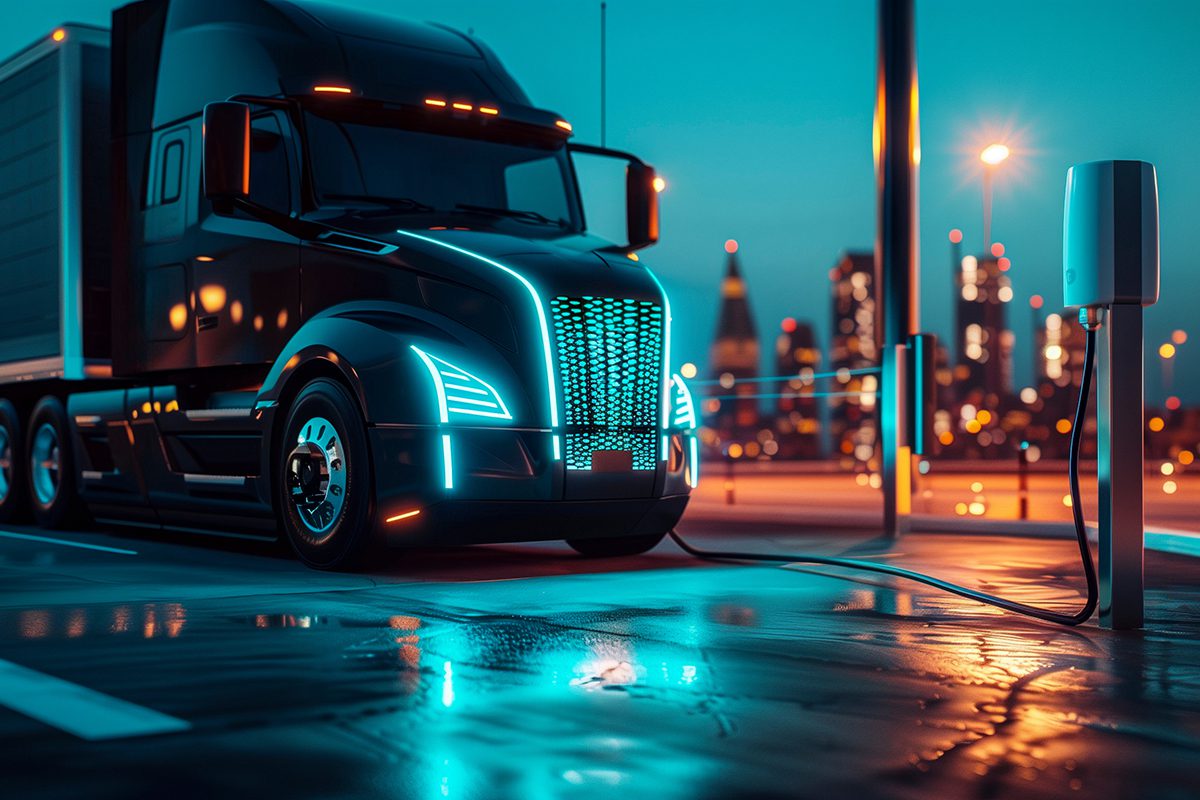
Fleet electrification is no longer a distant goal; it’s quickly becoming a business necessity. Between tightening emissions regulations, rising fuel costs, and customer expectations around sustainability, fleets that delay their transition to electric vehicles (EVs) risk being left behind.
A new resource, The Ultimate Guide to Fleet Electrification from Electrada, offers a roadmap to help fleet managers cut through the complexity. For fleets weighing when and how to make the switch, the guide provides actionable insights on costs, infrastructure, and operational strategy.
Electrification is far more than swapping diesel trucks for EV. It requires a full rethinking of operations, energy management, and infrastructure planning. The guide highlights several fleet-relevant realities:
- Cost savings are real and measurable. While EVs may carry higher upfront price tags, their lower maintenance costs, fuel savings, and incentives translate into a lower total cost of ownership (TCO).
- Charging infrastructure is the make-or-break factor. Unlike quick fuel stops with internal combustion vehicles, EVs demand careful planning around charging schedules, duty cycles, and utility coordination. The guide walks through a seven-step process — from site design and funding to operations and maintenance — that fleets can adapt to their own deployments.
- Future-proofing is critical. As fleets grow, charging needs evolve. Planning for scalable infrastructure now prevents costly retrofits and downtime later.
- DIY isn’t always the best path. The resource makes the case that Electrada Electric Fuel models can reduce upfront costs, manage technology risk, and guarantee 99%+ uptime — giving fleets confidence that their charging operations won’t disrupt service.
The message for fleet professionals is clear: the time to act is now. Here are steps the guide recommends:
- Conduct a fleet assessment – Analyze your routes, vehicle duty cycles, and energy needs to determine which vehicles are best suited for electrification today.
- Engage stakeholders early – From finance teams to drivers, buy-in across the organization is essential to making the transition successful.
- Plan infrastructure with scalability in mind – Build capacity now for the next phase of vehicles you’ll bring online.
- Consider an electric fuel partnership – Outsourcing charging infrastructure development and management may accelerate your timeline while lowering capital risk.
For fleet managers, electrification is no longer a “someday” discussion, it’s a competitive, financial, and operational imperative. The Ultimate Guide to Fleet Electrification is a must-read resource that breaks down the steps, pitfalls, and proven strategies for making the transition with confidence.