Teletrac Navman has introduced Energy Hub, a new component of its TN360 fleet management platform designed to give fleet operators a consolidated view of energy use across vehicles powered by different fuels and technologies.
The platform brings together traditional fuel transactions and electric vehicle charging data that may otherwise be divided among fleet management software, fuel-card providers, depot chargers, public charging networks and employees’ home-charging systems.
The system supports fleets operating internal combustion, electric, hydrogen, compressed natural gas and renewable natural gas vehicles. By placing those energy types within one platform, fleets can track energy consumption, spending and vehicle readiness without relying on separate reporting systems for each technology.
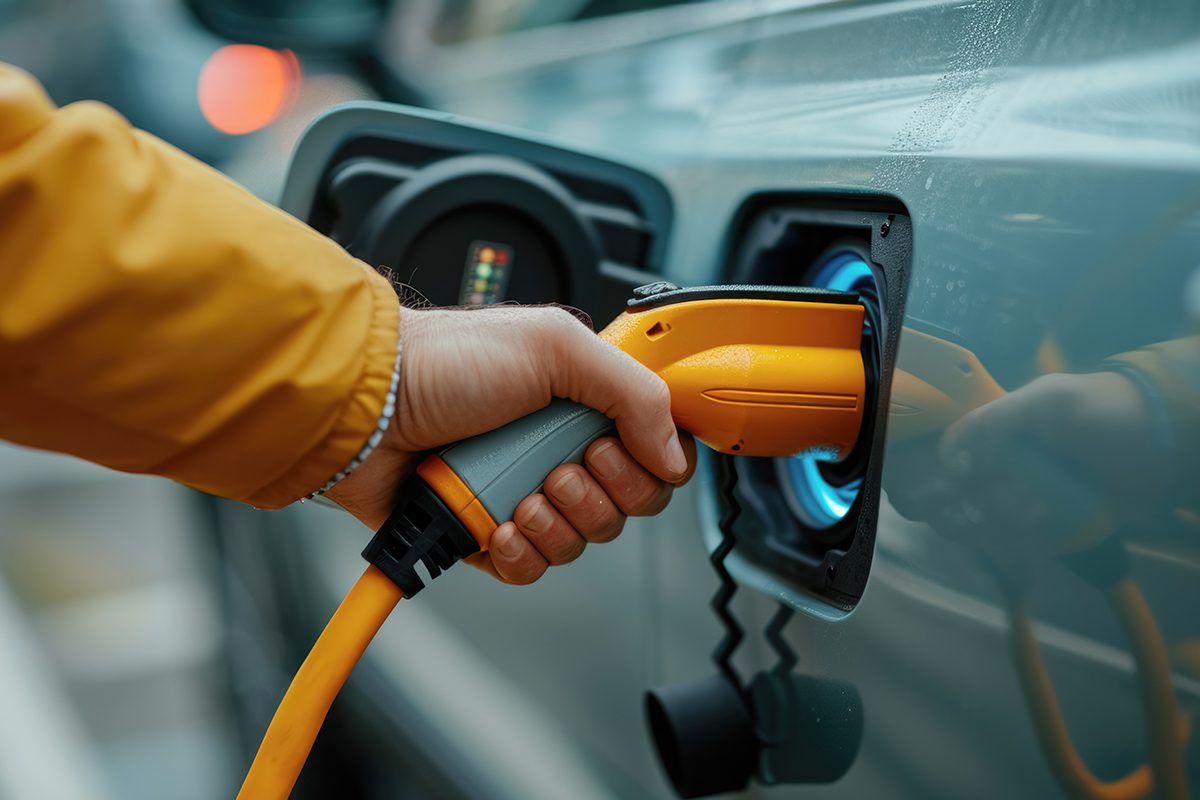
For electric and hybrid vehicles, Energy Hub provides real-time battery state of charge and estimated remaining range. Fleet managers can also monitor live charging activity, review charging events, compare charging locations and track cost per kilowatt-hour and overall energy spending.
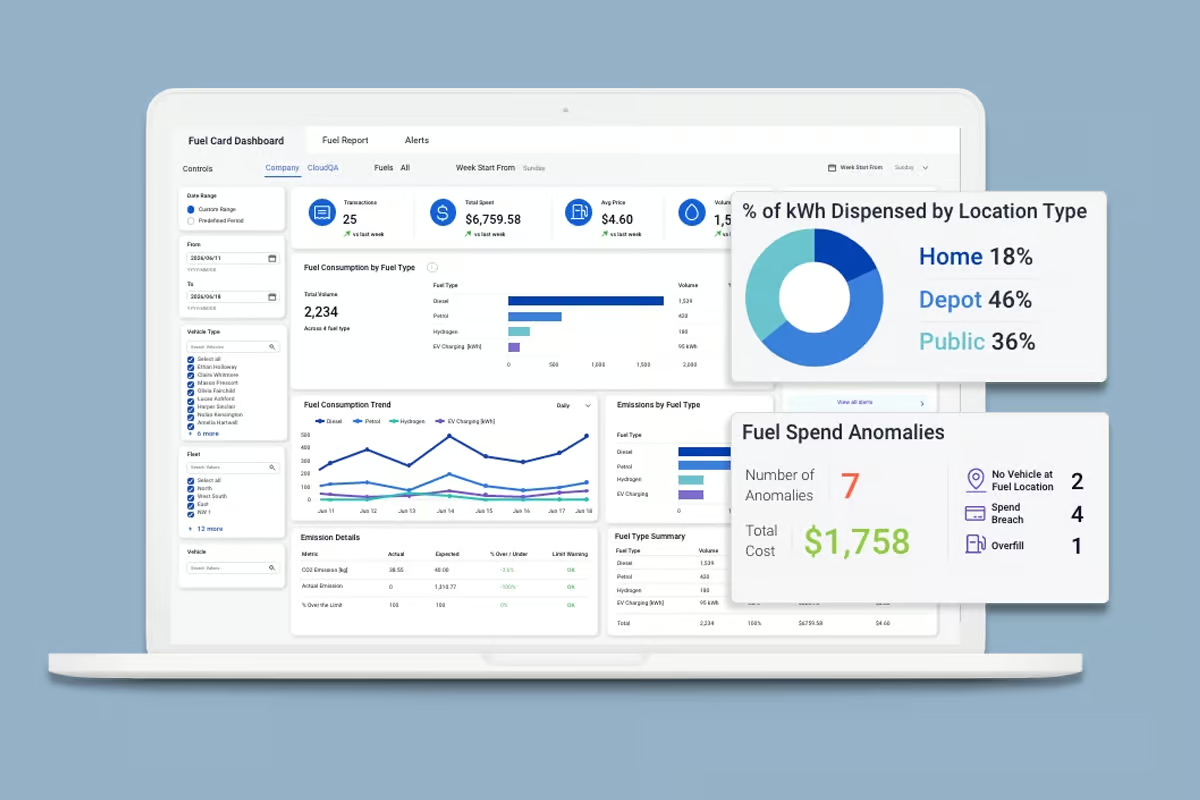
Charging-location data can help operators distinguish among depot, home and public charging activity. The platform can also identify charging during working hours, issue alerts when vehicles exceed configured charging limits and provide reports for reimbursing employees who charge company vehicles at home.
The reimbursement feature uses driver trip classifications to calculate and allocate energy expenses related to business travel. This addresses one of the administrative challenges created when fleet vehicles are regularly charged at employees’ homes rather than at company-owned depots.
Energy Hub also centralizes transaction information from participating fuel-card providers. Fleet managers can review purchases, reconcile invoices and set alerts for transactions that fall outside company policies. These can include purchases made when a vehicle was not at the transaction location, fuel volumes or purchase frequencies that exceed established limits and spending above permitted amounts. The company said sensitive card information is not stored within the platform.
Combining that information can give fleet managers a more consistent way to evaluate energy costs and identify unusual spending or charging behavior across the operation. It can also help fleets compare energy use as vehicles are added, replaced or assigned to different duty cycles.
The platform includes emissions reporting by energy type, allowing organizations to track changes in fleet emissions and prepare information for internal environmental reporting programs. However, the system primarily provides monitoring, reporting and cost-management tools; it does not replace the infrastructure, utility coordination and operational planning required when fleets deploy electric or alternative-fuel vehicles.